
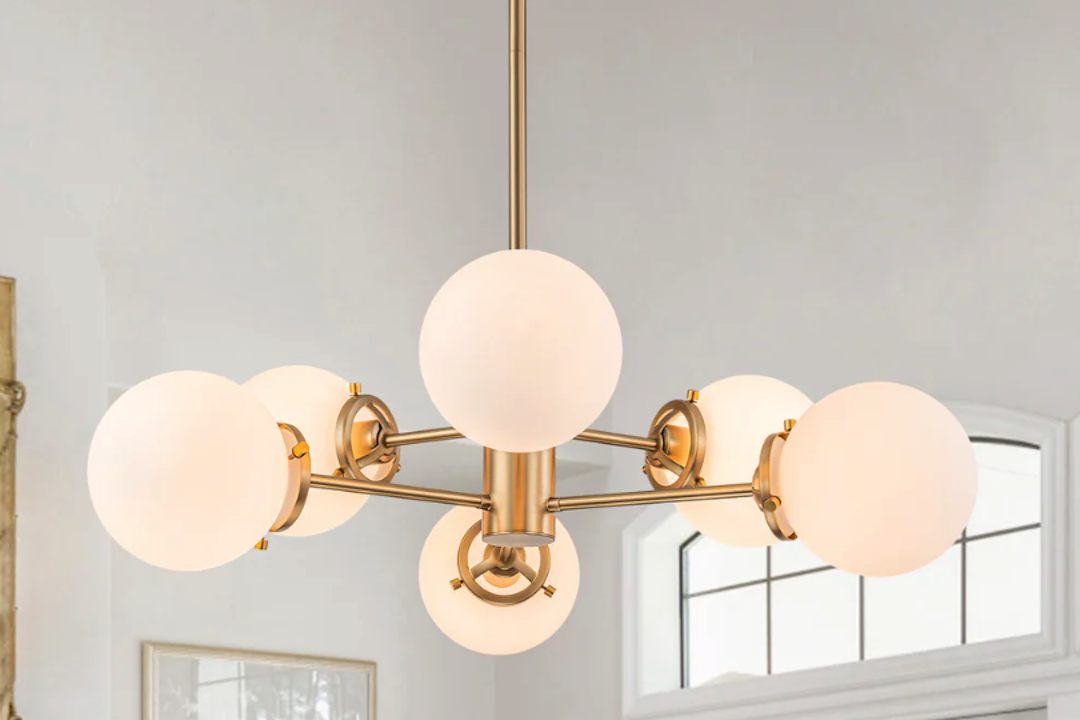
Enhance Your Space with a Customizable Opal Glass Chandelier
As an editor for Wikipedia, I prioritize factual information, a tone free from excessive adjectives or promotional language, and a clear, encyclopedic structure. The following text adheres to these guidelines, providing a comprehensive overview of customizable opal glass chandeliers.
A customizable opal glass chandelier Buyance represents a distinct category of lighting fixture, combining the diffusion properties of opal glass with modular design principles. This type of chandelier offers a departure from mass-produced lighting, providing homeowners and designers with the ability to tailor a luminaire’s aesthetic and functional attributes to specific spatial requirements. Understanding the components, design considerations, and historical context of these fixtures can inform informed selection and integration into diverse environments.
Properties of Opal Glass in Lighting
Opal glass, a translucent material, plays a crucial role in the aesthetic and functional characteristics of these chandeliers. Its unique composition, often involving opacifying agents such as bone ash, tin oxide, or fluorides, scatters light rather than allowing direct transmission. This diffusion effect creates a softened, more uniform illumination, reducing harsh glare and creating an ambient glow. The visual appearance of opal glass can vary from a milky white to a semi-transparent, slightly iridescent quality, depending on the manufacturing process and specific additives. In the context of chandeliers, this property is desirable for several reasons:
- Even Light Distribution: Unlike clear glass, which can create distinct shadows and hotspots, opal glass disperses light across a broader area, promoting visual comfort.
- Reduced Glare: The scattering of light minimizes the intensity of direct illumination from the light source, thus mitigating glare, which can be particularly important in living spaces or areas where direct eye contact with the light fixture is common.
- Aesthetic Integration: The softened light output from opal glass can blend more seamlessly with various interior design schemes, particularly those emphasizing warmth and subtlety.
- Visual Softening: The opaque nature of the glass partially obscures the light source itself, presenting a more refined and less stark visual profile for the fixture.
Historical Context and Evolution
The use of opalescent glass in decorative objects and lighting has a history spanning centuries, though its application in customizable chandeliers is a more modern development. Early forms of opalescent glass can be traced to ancient Egypt and Rome, utilized for decorative vessels. The Victorian era saw a resurgence in its popularity, particularly for art glass and lampshades.
The concept of ‘customizable’ lighting, in the sense of components selected and assembled to individual specifications, gains momentum in the 20th century. Before this, most chandeliers were either bespoke commissions for grand spaces or mass-produced, standardized designs. The standardization of electrical components and manufacturing techniques, coupled with a growing demand for personalized interiors, facilitated the emergence of modular lighting systems. Companies began offering various shades, arms, and mounting options that could be combined to create unique fixtures. Opal glass, with its desirable light-diffusing properties, became a prominent material in this evolving landscape of customizable lighting.
Understanding Customization Options
The term “customizable” in the context of opal glass chandeliers encompasses a range of design choices that allow modification from a base model or the creation of a unique assemblage of components. This versatility is a primary appeal, allowing the fixture to adapt to specific architectural styles, room dimensions, and personal preferences.
Configuration and Form Factors
One of the most significant aspects of customization involves the configuration of the chandelier. This refers to the overall shape, structure, and arrangement of its constituent parts.
- Tiered Designs: Chandeliers can be customized with multiple tiers, varying in diameter and the number of light sources per tier. A single tier may be suitable for a smaller space or a more minimalist aesthetic, while multiple tiers offer increased illumination and a grander presence, often employed in double-height entrances or large dining areas.
- Linear and Branching Forms: Beyond traditional circular or tiered structures, customizable options extend to linear arrangements, suitable for long dining tables or island lighting, and branching designs that mimic organic forms, extending light across a wider horizontal plane. These forms can be particularly effective in modern and contemporary interiors.
- Asymmetrical Arrangements: Customization allows for deviation from symmetrical designs. Asymmetrical compositions can introduce visual interest and dynamism into a space, offering a sculptural quality that transcends purely functional lighting. This might involve varying arm lengths, different numbers of shades on various branches, or an intentional imbalance to create a focal point.
Material and Finish Selection
The aesthetic impact of a customizable opal glass chandelier is not solely determined by the glass itself; the choice of accompanying materials and finishes for the metalwork plays a significant role. These selections can dramatically alter the perception of the fixture, from industrial to opulent.
- Metal Finishes: Common finishes include polished brass, brushed brass, matte black, oil-rubbed bronze, and satin nickel. Each finish contributes a distinct character. Polished brass, for example, conveys a classic or luxurious feel. Matte black offers a contemporary and minimalist look. Brushed finishes tend to be more understated than polished ones. The choice of finish should harmonize with other metallic elements within the room, such as door hardware, furniture accents, or plumbing fixtures.
- Suspension Systems: Beyond typical chain or rod suspensions, customization can extend to the method of hanging. This might involve multi-point canopies for complex branching designs, or adjustable杆系统 to fine-tune the hanging height. The suspension mechanism should be robust enough to support the weight of the fixture and visually complement its design.
- Accent Materials: Some customizable chandeliers incorporate additional materials beyond metal and glass. This could include wood elements, leather wraps, or even subtle textured finishes on metal components, further enhancing the fixture’s unique identity.
Shade Styles and Sizes
While the core material is opal glass, the specific form and size of the individual shades vary widely, influencing both the light output and the overall aesthetic.
- Geometric Shapes: Opal glass shades are available in various geometric forms, including spheres, cylinders, cones, and elongated ovals. Spherical shades, for instance, offer a classic and evenly diffused light. Cylindrical shades can provide a more directed downward light component while still diffusing the ambient illumination.
- Varying Diameters: Customization extends to selecting different diameters for shades within the same chandelier. This can create a visual hierarchy or a dynamic, playful arrangement. A cluster of shades of varying sizes, for example, can become a sculptural element.
- Articulation and Direction: Some customizable designs allow for the articulation of individual arms or shades, enabling the user to direct light precisely where needed. This feature adds a functional layer to the aesthetic customization, making the chandelier adaptable to changing lighting requirements.
Integration into Interior Design
A customizable opal glass chandelier is more than a light source; it is an architectural element that can define a space. Its successful integration depends on considering the room’s function, scale, and existing design language.
Spatial Considerations
The physical dimensions and layout of a room critically inform the selection and configuration of a chandelier.
- Ceiling Height: High ceilings can accommodate larger, more elaborate chandeliers with multiple tiers or longer suspensions, preventing the fixture from appearing diminutive. Conversely, lower ceilings require more compact designs with shorter drops to maintain comfortable headroom and avoid overwhelming the space.
- Room Size: A grand chandelier in a small room can be visually overwhelming and create a sense of crampedness. Conversely, a small fixture in a large room may appear lost and fail to provide adequate illumination or aesthetic impact. The chandelier’s scale should be proportional to the room’s square footage. As a rule of thumb, for dining areas, the chandelier’s diameter should ideally be one-half to two-thirds the width of the table.
- Sightlines and Views: Consider how the chandelier will interact with established sightlines within the room. A well-placed fixture can draw the eye and become a focal point without obstructing views or creating visual clutter. In areas like a dining room, ensure the bottom of the chandelier is high enough to not impede conversation or eye contact across the table. For an entrance hall, it can serve as a welcoming beacon.
Style and Aesthetics
A customizable opal glass chandelier can bridge various design aesthetics, from classical to contemporary, depending on its specific attributes.
- Modern and Contemporary: Clean lines, minimal ornamentation, matte finishes (black, brushed nickel), and geometric shade shapes align with modern and contemporary design principles. Asymmetrical or linear configurations often complement these styles, emphasizing form and function.
- Mid-Century Modern: Elements like brass, spherical opal shades, and Sputnik-inspired branching designs resonate with mid-century modern aesthetics. The warm tones of brass combined with the diffused light of opal glass create a classic yet inviting ambiance characteristic of this era.
- Transitional: Chandeliers that blend classic forms with contemporary materials or finishes, such as a traditional silhouette with a matte black finish, fit well into transitional interiors. This style often seeks a balance between classic elegance and modern simplicity.
- Minimalist: For minimalist spaces, select chandeliers with utmost simplicity in form, often featuring a single tier or a very clean linear arrangement with spherical or cylindrical opal shades and understated metal finishes. The focus here is on essential form and quality of light.
Functional Lighting Aspects
Beyond its decorative role, a customizable opal glass chandelier serves as a primary or secondary light source. Its effectiveness in this capacity depends on understanding the interplay of light output, lamp type, and control mechanisms.
Illumination Quality and Quantity
The quality and quantity of light produced by the chandelier are critical to its functionality.
- Lumen Output: The total lumen output of the chandelier, a measure of its brightness, should be appropriate for the room’s size and intended function. General ambient lighting often requires a higher lumen output than accent or mood lighting.
- Color Temperature (Kelvin): The color temperature of the light, measured in Kelvin (K), influences the mood of a space. Warmer temperatures (2700K-3000K) create a cozy and inviting atmosphere, suitable for living rooms and dining areas. Cooler temperatures (3500K-5000K) are more energizing and suited for task-oriented environments, though generally less common for chandeliers. Opal glass tends to soften any color temperature.
- Directional vs. Diffused Light: While opal glass primarily provides diffused ambient light, the specific shade shapes can introduce a subtle directional component. For instance, an open-bottom cylindrical shade might allow more downward light than a fully enclosed sphere. Consider whether additional, more focused task lighting will be required in conjunction with the chandelier (e.g., recessed lighting, floor lamps).
Lamp Compatibility and Efficiency
The choice of light source (lamps/bulbs) directly impacts the chandelier’s performance and long-term operating costs.
- LED Integration: Modern customizable opal glass chandeliers are largely designed for compatibility with LED lamps. LEDs offer significant advantages, including energy efficiency, longer lifespan, and a wide range of color temperatures and lumen outputs. They also produce less heat, which is beneficial for the longevity of the fixture.
- Dimmability: The ability to dim the chandelier is a valuable feature, allowing adjustment of light levels to suit various activities and moods. Ensure that both the chandelier’s electrical components and the chosen LED lamps are compatible with dimmer switches. This capability transforms the chandelier from a singular light source into a versatile instrument for atmosphere creation.
- Lamp Base Types: Be aware of the specified lamp base types (e.g., E26, E14, G9) required by the chandelier. This ensures proper fit and function of replacement lamps. The selection of various lamp shapes and sizes may also be a customization option, further altering the aesthetic impact of the light source within the opal glass shade.
Maintenance and Durability
Like any lighting fixture, a customizable opal glass chandelier requires periodic maintenance to preserve its aesthetic appeal and functional performance. Its construction materials largely dictate its durability.
Cleaning Procedures
Regular cleaning maintains the clarity and brilliance of both the glass and metal components.
- Opal Glass: Opal glass shades should be cleaned gently to avoid scratches. A soft, microfiber cloth dampened with a mild, non-abrasive glass cleaner or a solution of warm water and a small amount of dish soap is generally effective. Avoid harsh chemicals, which can damage the finish. Ensure the shades are completely dry before re-installing if removed for cleaning.
- Metal Finishes: The cleaning method for metal components depends on the finish. Polished brass may benefit from a specialized brass cleaner, while brushed metals often respond well to a dry, soft cloth, or a cloth slightly dampened with water. For matte black or oil-rubbed bronze finishes, a dry or very lightly damp cloth is usually sufficient. Abrasive cleaners or scrub brushes should be avoided as they can scratch or remove the finish layer.
- Frequency: The frequency of cleaning depends on the environment. In areas prone to dust or grease (e.g., near a kitchen), more frequent cleaning may be necessary. For general living spaces, a quarterly or semi-annual cleaning schedule may suffice.
Material Durability and Longevity
The inherent properties of the materials used contribute to the chandelier’s lifespan.
- Glass Durability: Opal glass is a relatively robust material, but like all glass, it is susceptible to breakage from impact. Its color is inherent to the material and does not fade over time.
- Metal Durability: The durability of metal components varies with the type of metal and its finish. Solid brass, for instance, is highly durable and can last for decades, developing a patina over time if not regularly polished. Plated finishes can be durable but may be more susceptible to scratching or wear over extended periods if not cared for. Powder-coated finishes offer excellent resistance to chipping and fading.
- Electrical Components: The electrical wiring and sockets should be made to safety standards and are generally durable, but regular inspection for wear and tear is advisable, particularly for older fixtures. Consulting a qualified electrician for any concerns about electrical components is recommended.
In summation, a customizable opal glass chandelier offers a sophisticated and versatile illumination solution for various interior design applications. By understanding its material properties, design flexibilities, and practical considerations, one can select and integrate a fixture that enhances both the aesthetic and functional qualities of a given space.