
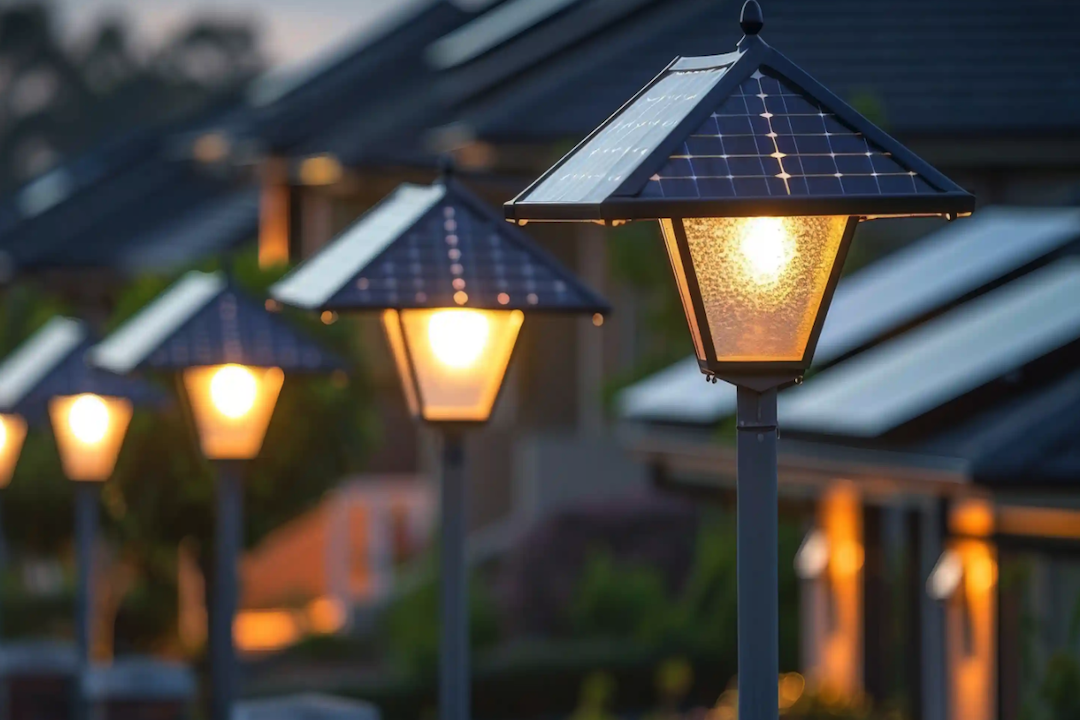
Illuminate Your Backyard with Solar Pathway Lights
Solar pathway lights are outdoor luminaires that convert sunlight into electricity, storing it in a battery for illumination after dark. These devices offer a practical and energy-efficient solution for illuminating walkways, driveways, garden beds, and other outdoor areas, enhancing both safety and aesthetic appeal. Their operation is based on the photovoltaic effect, a process where semiconductor materials generate an electric current when exposed to light. This makes them a self-sufficient and environmentally conscious alternative to traditional wired lighting systems.
The fundamental principle behind solar pathway lights Lookinhome involves several key components working in concert. A small solar panel, typically integrated into the top of the fixture, absorbs sunlight throughout the day. This energy charges a rechargeable battery, often a Nickel-Cadmium (NiCd), Nickel-Metal Hydride (NiMH), or Lithium-ion (Li-ion) cell. As dusk approaches, a light sensor, often a photoresistor, detects the decrease in ambient light levels, triggering the light-emitting diode (LED) to illuminate. The stored energy powers the LED until either the battery depletes or daylight returns, at which point the charging cycle recommences.
The widespread adoption of solar pathway lights reflects a growing societal interest in sustainable practices and energy independence. Their ease of installation, requiring no trenching or electrical wiring, makes them a popular choice for homeowners and landscaping professionals alike. Furthermore, the absence of ongoing electricity costs presents a significant economic advantage over time. While individual units may offer modest light output, their collective deployment can effectively delineate paths and create a layered lighting effect, transforming a nocturnal landscape from a void into a navigable space.
Choosing the Right Solar Pathway Lights
Selecting appropriate solar pathway lights requires careful consideration of various factors to ensure optimal performance and longevity. The market offers a diverse range of products, varying in design, material, light output, and battery capacity. Understanding these distinctions is crucial for making informed purchasing decisions that align with specific needs and aesthetic preferences.
Assessing Light Output and Coverage
The primary function of pathway lighting is to provide illumination. This necessitates an evaluation of light output, typically measured in lumens. While some products are designed for subtle accent lighting, others aim to provide significant functional illumination. Consider the purpose of the lighting:
- Accent Lighting: Low lumen output (e.g., 5-20 lumens) is suitable for highlighting garden features or providing a soft glow along a path. It serves as a visual guide rather than a bright spotlight.
- Safety and Navigation: Moderate lumen output (e.g., 20-100 lumens) is generally sufficient for illuminating pathways to prevent trips and falls. This level of brightness allows for clear visibility of obstacles and ground variations.
- Task Lighting (Limited): Higher lumen output (e.g., 100+ lumens) is less common for standard pathway lights but can be found in some advanced models or those designed for security. It can provide localized illumination for specific tasks, though standalone solar spotlights are often better suited for this.
Beyond lumen output, consider the beam spread. Some lights project a focused beam, while others offer a wider, diffuse glow. A wider beam spread might be beneficial for illuminating a broader section of a pathway, while a narrower beam could be used to highlight specific architectural elements or plant groupings.
Evaluating Battery Type and Run Time
The battery is the heart of a solar pathway light, dictating its operational duration. Different battery chemistries offer varying performance characteristics:
- Nickel-Cadmium (NiCd): These are older technology, often found in less expensive units. They suffer from the “memory effect,” where repeated partial discharges can reduce their effective capacity. They are also less environmentally friendly due to cadmium content. Their prevalence is decreasing.
- Nickel-Metal Hydride (NiMH): A common and more environmentally friendly alternative to NiCd. NiMH batteries offer better capacity and are less prone to the memory effect. They perform reasonably well in moderate climates.
- Lithium-ion (Li-ion): These represent the current standard for premium solar lights. Li-ion batteries offer superior energy density, a longer lifespan, and better performance in colder temperatures. They also charge more efficiently. While initially more expensive, their longevity and performance often justify the cost.
The battery’s capacity, measured in milliampere-hours (mAh), directly correlates with the light’s run time. A higher mAh rating generally means the light will stay illuminated for longer, especially following overcast days. Aim for lights that can provide at least 8-10 hours of illumination on a full charge, which typically covers most nighttime hours.
Material Durability and Weather Resistance
Outdoor lights are continuously exposed to environmental elements. The construction materials and their weather resistance are paramount for long-term performance:
- Housing Materials: Common materials include plastic, stainless steel, aluminum, and sometimes glass.
- Plastic: Affordable and lightweight, but susceptible to UV degradation (becoming brittle and discolored) over time. Look for UV-resistant plastics.
- Stainless Steel: Offers a sleek, modern aesthetic and good corrosion resistance. However, lower-grade stainless steel can still rust in coastal or extremely humid environments.
- Aluminum: Durable, lightweight, and highly resistant to rust. Often powder-coated for added protection and aesthetic appeal. A good balance of cost and durability.
- Glass: Used for lenses and diffusers, providing clear light transmission and resistance to scratching. Avoid flimsy plastic lenses that can yellow over time.
- IP Rating (Ingress Protection): This international standard indicates the degree of protection against solids and liquids. For outdoor lights, look for an IP rating of at least IP44, which signifies protection against solid objects larger than 1mm (like wires) and splashing water from any direction. Higher ratings, such as IP65 (dust tight and protected against low-pressure water jets), are even better for harsh climates.
Aesthetic Considerations and Design Integration
Beyond functionality, the visual design of solar pathway lights contributes to the overall ambiance of your outdoor space. They should complement the existing landscaping and architectural style of your home.
- Style: Lights come in various styles, from traditional lantern designs to minimalist, contemporary stakes. Consider the existing aesthetic of your garden, home, and patio furniture. For example, a modern home might benefit from sleek, brushed steel fixtures, while a rustic garden could incorporate lights with an antique bronze finish.
- Height: The height of the fixture influences the spread and type of illumination. Taller lights might cast a wider pool of light, while shorter, more discreet lights can be used for subtle highlighting or outlining.
- Color Temperature: LEDs come in different color temperatures, measured in Kelvin (K).
- Warm White (2700K-3000K): Creates a soft, inviting, and cozy atmosphere, similar to incandescent bulbs. Ideal for relaxation areas or to mimic moonlight.
- Cool White (4000K-5000K): Offers a brighter, more neutral light, suitable for tasks or more contemporary designs. Can sometimes appear stark.
- Daylight (5000K-6500K): Mimics natural daylight and provides maximum brightness. Often used for security or if a very crisp, clear light is desired. Choose a color temperature that aligns with the intended mood and function of the lighting.
Strategic Placement for Optimal Performance and Impact
The effectiveness of solar pathway lights is heavily dependent on their placement. Proper positioning ensures maximum charging efficiency and desired illumination. You are not merely placing lights; you are painting with light, guiding the eye, and shaping the perception of your outdoor canvas.
Maximizing Solar Panel Exposure
The most critical factor for solar pathway lights is sunlight. The solar panels must receive direct, unobstructed sunlight for as many hours as possible during the day.
- Sunlight Hours: Aim for at least 6-8 hours of direct sunlight. Locations shaded by trees, buildings, or other structures will significantly reduce charging efficiency, leading to diminished run times or complete failure to illuminate at night.
- Orientation: Position panels to face the sun’s path throughout the day. In the Northern Hemisphere, a south-facing orientation is generally optimal. Consider seasonal changes in the sun’s angle; what is sunny in summer might be shaded in winter.
- Obstruction Avoidance: Regularly check for foliage growth that might begin to shade the panels. Overhanging branches or tall plants can gradually diminish performance. Clean the solar panels periodically to remove dust, dirt, sap, and bird droppings, which can act as miniature shades.
Spacing for Even Illumination and Visual Flow
The distance between lights influences both the amount of light delivered to a path and the visual rhythm of the installation.
- Functional Illumination: For safety and navigation, lights should be spaced closely enough so that their pools of light overlap slightly. This prevents dark spots between fixtures and creates a continuous, inviting glow. A general guideline is 4-8 feet apart, depending on the lumen output of the chosen lights.
- Aesthetic Continuity: Consider the visual flow. A consistent spacing creates a sense of order and guides the eye along the path. Irregular spacing can look haphazard and diminish the overall effect.
- Highlighting Features: If using lights to highlight specific garden features, such as a specimen plant or a decorative stone, position them closer to the object, ensuring the beam is directed effectively.
Safety and Security Enhancements
Pathway lighting serves a dual purpose: aesthetic enhancement and practical necessity. When night falls, even familiar paths can become deceptive under the cloak of darkness.
- Trip Hazard Prevention: Illuminate steps, uneven paving, roots, or any other potential obstacles. These areas demand focused attention and often benefit from slightly brighter or more concentrated light.
- Boundary Definition: Use lights to clearly delineate the edges of pathways and driveways, especially where they meet lawns or garden beds. This helps prevent accidental stepping off the paved surface and protects landscaping from foot traffic.
- Deterrence (Limited): While not substitute for dedicated security lighting, a well-lit property can deter opportunistic intruders. A consistent pattern of light removes shadows where a person might conceal themselves and indicates an occupied or cared-for property. Motion-sensing solar pathway lights can offer an additional layer of security, activating only when movement is detected, startling potential intruders and conserving battery life.
Maintenance and Troubleshooting Common Issues
While solar pathway lights are designed for minimal upkeep, periodic maintenance can significantly extend their lifespan and ensure consistent performance. Ignoring small issues can lead to diminished light output or premature failure.
Routine Cleaning and Panel Care
The solar panel is the gateway for energy. Keeping it clear is paramount.
- Panel Cleaning: Dust, dirt, pollen, tree sap, and bird droppings can accumulate on the solar panel, acting as an opaque film that reduces its efficiency. Clean the panels every few weeks with a soft, damp cloth. Avoid abrasive cleaners or harsh brushes that could scratch the panel surface, impairing its ability to absorb light.
- Obstruction Removal: Regularly inspect the area around the lights. Trim back any encroaching foliage, weeds, or low-hanging branches that might cast shadows on the panels. Seasons change, and so does plant growth; what was clear in spring might be shaded in summer.
Battery Replacement and Optimization
The rechargeable battery has a finite lifespan, typically 1-3 years for NiMH and 2-5 years for Li-ion, depending on usage and environmental conditions.
- Recognizing Battery Failure: Common signs of a failing battery include:
- Significantly reduced run time (e.g., only staying on for an hour or two after a full day of sun).
- Dimmer light output despite adequate sun exposure.
- Failure to illuminate entirely.
- Replacement Procedure: Most solar pathway lights are designed for user-replaceable batteries. Consult the manufacturer’s instructions for the correct battery type (NiCd, NiMH, or Li-ion) and size (often AA or AAA). Ensure you use a rechargeable battery of the same voltage and capacity (or higher mAh for extended run time). Improper battery types can damage the light’s internal circuitry.
- Battery Conditioning (NiCd/NiMH): For NiCd and NiMH batteries, occasional deep cycling (allowing the battery to fully discharge before recharging) can help maintain their capacity, mitigating the memory effect. However, modern Li-ion batteries do not benefit from this and generally prefer partial charges.
Troubleshooting Dim or Non-Functional Lights
When a light fails to perform, a systematic approach can often identify and resolve the issue.
- Sunlight Check: First, verify that the solar panel is receiving ample, direct sunlight. This is the most common reason for poor performance. Relocate the light if necessary.
- Switch Position: Ensure the light’s power switch (if present) is in the “ON” position. Sometimes, it might have been accidentally switched off during gardening or cleaning.
- Battery Connection: Open the battery compartment (if accessible) and ensure the battery is seated correctly and making proper contact with the terminals. Clean any corrosion off the terminals with a small brush or emery board.
- Water Ingress: Check for signs of water entry. If the light has been exposed to heavy rain or standing water, moisture can short-circuit the internal components. Ensure seals are intact.
- LED Failure: Rarely, the LED itself can fail. If all other troubleshooting steps fail and the battery is confirmed to be charged, the LED might be the culprit, which typically requires replacing the entire fixture.
- Sensor Malfunction: The light sensor (photoresistor) can sometimes malfunction or be obstructed. If the light stays on during the day or never comes on, try covering the sensor to see if it triggers the light. If not, the sensor may be faulty.
Advanced Applications and Creative Uses
Beyond the standard function of path illumination, solar pathway lights can be integrated into broader landscaping designs to create sophisticated lightscapes and enhance specific outdoor features. Their wireless nature offers unparalleled flexibility in placement. You are not just lighting a path; you are sculpting the night with light.
Uplighting and Feature Highlighting
By strategically positioning solar pathway lights, you can create dramatic effects.
- Tree and Shrub Illumination: Place a solar light at the base of a tree, aiming it upwards to illuminate the trunk and lower branches. This creates a sense of depth and highlights the texture of the bark. For dense shrubs, position lights to cast light through the foliage, creating an ethereal glow.
- Architectural Details: Use solar lights to draw attention to unique architectural features on your home, such as stone work, columns, or decorative planters. The interplay of light and shadow can transform a flat surface into a multi-dimensional canvas.
- Focal Points: Direct light towards statues, fountains, or a particularly striking plant specimen to make them stand out at night. This technique creates visual anchors in the garden, drawing the eye and establishing points of interest. Consider using solar spotlights, which offer a more focused beam, for this purpose.
Ambient Lighting for Outdoor Living Spaces
Solar pathway lights can transcend their navigational role to contribute to the ambiance of patios, decks, and outdoor entertaining areas.
- Patio Borders: Instead of just along pathways, place lights around the perimeter of a patio or deck. This defines the space, provides a soft glow for social gatherings, and prevents accidental steps off the edge in low light.
- Planter Integration: Many solar lights are stake-mounted. Insert them directly into large planters or decorative urns to provide a diffused light source. This adds warmth to container gardens and creates visually pleasing anchors in the space.
- String Lights and Lanterns: While traditional solar pathway lights are stake-mounted, consider solar-powered string lights or hanging lanterns for a festive or whimsical touch. These can be draped along pergolas, fences, or tree branches, providing a broad, soft illumination different from the focused light of pathway fixtures.
Seasonal and Decorative Enhancements
The portability and self-sufficiency of solar lights make them ideal for temporary or seasonal displays.
- Holiday Decor: Incorporate solar pathway lights into holiday decorations. Use them to line a driveway for Christmas, illuminate pumpkins for Halloween, or create a festive glow for summer parties. Their ability to be easily moved and installed without wires is a significant advantage for temporary setups.
- Themed Lighting: For special events or garden themes, select solar lights that align with the desired aesthetic. For example, lights with a Moroccan lantern design for an exotic theme, or subtle, unobtrusive lights for a minimalist garden party.
- Color-Changing Lights: Some solar pathway lights offer color-changing LEDs, allowing for dynamic and customizable lighting effects. These can be used to set a mood for different occasions or simply add a playful element to the garden. While often less bright than white lights, their decorative potential is significant.
By understanding the principles of light, strategic placement, and ongoing care, you can harness the power of the sun to transform your nocturnal landscape from a shadowy expanse into an inviting, safe, and visually appealing extension of your home. The path ahead, illuminated by design, becomes not just a route, but a destination in itself.