
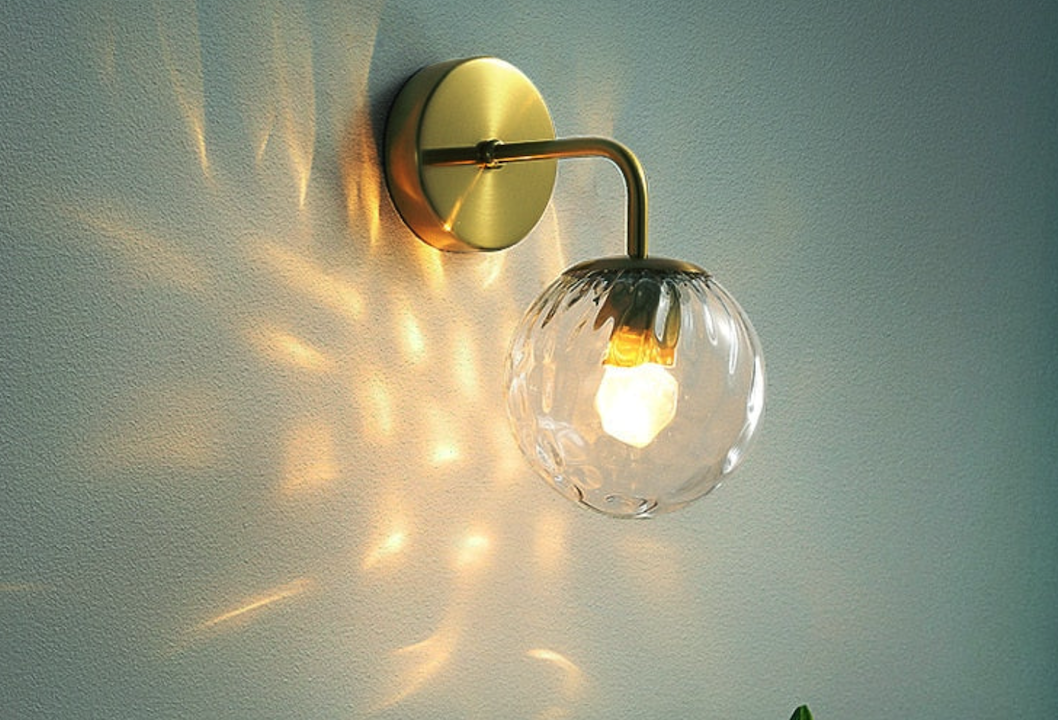
Minimalist Lighting: Modern Homes’ Unique Charm
Minimalist lighting in modern homes is a design approach that prioritizes simplicity, functionality, and the deliberate use of light to define space and enhance aesthetics. Instead of employing elaborate fixtures or an abundance of decorative elements, minimalist lighting focuses on essential components and their impact on the environment. This style aligns with the broader principles of minimalism, which advocate for the removal of the superfluous to reveal the inherent beauty of the core elements. In the context of modern architecture and interior design, this translates to lighting solutions that are often integrated, discreet, and precisely controlled to create specific moods and highlight architectural features.
The adage “less is more” serves as the foundational principle for minimalist lighting. This philosophy in design is not about deprivation, but rather about intentionality. Every element, including light Nounhouse, is considered for its purpose and contribution to the overall composition. In minimalist lighting, this means avoiding visual clutter and allowing the light itself to become a defining visual element. Think of it like a sculptor chipping away excess marble to reveal the form within; minimalist lighting removes unnecessary ornamentation to reveal the essence of the space.
Eliminating Visual Noise
One of the primary goals of minimalist lighting is to reduce visual noise. This refers to extraneous design elements that distract from the intended atmosphere or function of a space. In traditional lighting schemes, this might include ornate lampshades, excessive bulbs, or complex wiring visible to the eye. Minimalist lighting seeks to conceal these elements, presenting a clean and uncluttered aesthetic. The fixtures, if visible at all, are typically sleek, geometric, and understated, designed to blend seamlessly with the architecture rather than drawing attention to themselves.
Functionality as a Primary Driver
While aesthetics are crucial, functionality is equally paramount in minimalist lighting design. Each lighting element is chosen for its specific purpose, whether it be task lighting for a workspace, ambient lighting for relaxation, or accent lighting to draw attention to a particular object or architectural feature. The design process involves a careful analysis of how light will be used in each area of the home, ensuring that it meets the practical needs of the occupants without compromising the clean visual language. This isn’t just about turning on a switch; it’s about strategically illuminating life’s activities.
The Power of Strategic Placement
The placement of light sources is a critical consideration in minimalist design. Instead of scattering lights randomly, minimalist lighting employs a precise and strategic approach. Lights are positioned to complement the architecture, to highlight textures and forms, and to create defined zones within an open-plan living space. This might involve recessing lights into ceilings or walls, using cove lighting to wash walls with a soft glow, or employing slender track lighting systems that can be adjusted with precision. The careful choreography of light placement can dramatically alter the perception of space, making it feel larger, more dynamic, or more intimate.
Types of Minimalist Lighting Fixtures
The selection of fixtures in a minimalist lighting scheme is characterized by restraint and a focus on form and material. The choices are deliberate, with each piece contributing to the overall minimalist aesthetic.
Recessed Lighting: The Invisible Hand
Recessed lighting, often referred to as downlights or can lights, is a cornerstone of minimalist lighting. These fixtures are installed flush within ceilings, walls, or floors, rendering them virtually invisible when not in use. Their primary function is to provide ambient or task lighting without introducing the visual clutter of traditional hanging fixtures.
Surface-Mounted vs. Trimless
Within recessed lighting, a distinction can be made between surface-mounted and trimless options. Surface-mounted fixtures may have a visible trim around the edge of the aperture. Trimless fixtures, on the other hand, are designed to integrate even more seamlessly, with the ceiling material extending directly to the edge of the light source. This provides an exceptionally clean and uninterrupted ceiling plane, a hallmark of minimalist interiors.
Gimbal and Fixed Options
Recessed lights also come in fixed and gimbal (adjustable) varieties. Fixed recessed lights offer a consistent downward beam, ideal for general illumination. Gimbal lights, with their movable heads, allow for directional control, making them useful for accentuating artwork or specific architectural details. The ability to direct light precisely further reinforces the minimalist principle of intentionality.
Track Lighting: Versatility in Disguise
Modern track lighting systems have evolved beyond their industrial origins to become a sophisticated tool in minimalist design. These systems consist of a linear track onto which individual light heads can be attached and repositioned. This offers a high degree of flexibility, allowing homeowners to adapt their lighting scheme as their needs and decor evolve.
Slimline and Integrated Designs
Contemporary track lighting often features slimline profiles and discreet mounting hardware, ensuring that the track itself remains unobtrusive. Many systems are designed for direct integration into ceiling or wall structures, further minimizing their visual presence. The focus is on the light it casts, not the apparatus that delivers it.
Magnetic Systems
Magnetic track lighting is a recent innovation that further enhances the minimalist potential. In these systems, light fixtures simply snap onto the track magnetically, allowing for effortless repositioning and adjustment without the need for tools. This offers an unprecedented level of flexibility and a very clean aesthetic, as the fixtures often appear to float along the track.
Pendant Lights: Statement Pieces or Subtle Accents
While minimalism generally favors discretion, pendant lights can be incorporated effectively when chosen with specific intent. In minimalist design, pendant lights are rarely used for abundant general illumination. Instead, they often serve as deliberate focal points or to provide task lighting in specific areas, such as over a kitchen island or dining table.
Simple Geometric Forms
Minimalist pendant lights typically feature simple geometric shapes – spheres, cylinders, or clean lines. Materials are often unadorned, such as brushed metal, frosted glass, or unpainted wood. The focus is on the purity of the form and the quality of light it emits.
Single Source Illumination
Often, a single, well-chosen pendant light is used to make a quiet but impactful statement, rather than a cluster of multiple fixtures. This approach ensures that the pendant contributes to the overall balance and serenity of the space.
Integrated LED Systems: The Future of Seamlessness
Since the widespread adoption of LED technology, integrated lighting systems have become increasingly prevalent in minimalist homes. This involves embedding LED light sources directly into architectural elements, furniture, or even the building’s facade.
Cove Lighting and Wall Grazing
Cove lighting involves placing LED strips within a recess or cove, often at the junction of a wall and ceiling. This technique washes the adjacent surfaces with a soft, indirect light, eliminating harsh shadows and creating a sense of depth and spaciousness. Wall grazing, similarly, involves directing light along a textured wall surface, highlighting its material properties and creating a subtle interplay of light and shadow.
Under-Cabinet and Furniture Integration
LED strips can also be seamlessly integrated into the undersides of cabinets, shelves, or furniture. This provides functional task lighting or ambient illumination without the need for visible fixtures, maintaining the clean lines of the furniture and cabinetry. Think of it as the building breathing light.
The Impact of Light Quality and Control
Beyond the selection of fixtures, the intrinsic quality of light and the methods of its control are crucial to achieving a successful minimalist lighting design. This aspect goes beyond simply turning lights on and off; it involves curating the very atmosphere of a modern home.
Color Temperature: Warmth vs. Coolness
The color temperature of light, measured in Kelvin (K), plays a significant role in influencing mood and perception. In minimalist interiors, a conscious decision is often made regarding color temperature to align with the desired ambiance.
Warm Whites (2000K-3000K)
Warm white light, resembling the glow of incandescent bulbs or candlelight, is often preferred for living areas, bedrooms, and dining spaces. It fosters a sense of comfort, relaxation, and intimacy. This warmer spectrum is like a gentle embrace for the senses.
Neutral and Cool Whites (3500K-5000K)
Neutral white light (around 3500K) offers a balanced illumination that can be suitable for kitchens and workspaces where clarity is important. Cool white light (above 4000K) provides a crisp, energizing light that is often best suited for task-oriented areas like offices or garages, promoting alertness and focus.
Dimming and Smart Control: Precision and Adaptability
The ability to control the intensity and even the color of light is fundamental to minimalist lighting design. Dimming systems allow for the fine-tuning of ambient light levels, transforming a space from brightly lit for tasks to softly illuminated for relaxation.
Creating Moodscapes
Smart lighting systems, often controlled via apps or voice commands, offer unparalleled flexibility. They allow users to create pre-programmed “moodscapes” for different activities or times of day. Imagine transitioning from a bright, energizing morning ambiance to a soft, warm evening glow with a single command.
Energy Efficiency and Longevity
Modern LED systems, coupled with sophisticated control mechanisms, also contribute to energy efficiency and the longevity of the lighting components. This aligns with the broader minimalist ethos of sustainability and thoughtful resource management.
Accent Lighting: Highlighting Form and Texture
Accent lighting is used sparingly in minimalist design to draw attention to specific elements within a space, such as artwork, sculptures, architectural features, or textured surfaces. It’s about using light as a spotlight to reveal what matters.
Narrow Beam Angles
Accent lights often employ narrow beam angles to create focused pools of light, ensuring that the intended feature is effectively highlighted without spilling light into other areas. This precision prevents distractions and keeps the focus sharp.
Wall Washers and Art Spotlights
Specialized fixtures like wall washers can provide a uniform illumination across a wall, while art spotlights are designed to precisely illuminate artwork without causing damage. The strategic use of accent lighting can add layers of visual interest and depth to even the simplest of interiors.
The Psychological and Spatial Effects
Minimalist lighting is not merely about aesthetics; it has a profound impact on how we perceive and interact with our living spaces. The deliberate manipulation of light can alter the sense of scale, define boundaries, and influence our emotional state.
Enhancing Perceived Space
By utilizing ambient and indirect lighting techniques, such as cove lighting or wall washing, minimalist design can make spaces feel larger and more open. The absence of harsh shadows and the soft diffusion of light create a sense of airiness and expand the perceived boundaries of a room. It’s like allowing the room to breathe.
Defining Zones in Open-Plan Living
In modern open-plan layouts, where distinct rooms are merged into a single, flowing space, minimalist lighting plays a critical role in visually defining different functional zones. Strategically placed task lighting over a kitchen island, ambient lighting in a lounge area, and dimmer pendant lights over a dining table can clearly delineate these areas without the need for physical barriers.
Creating Atmosphere and Mood
The quality and intensity of light have a direct correlation with our emotional well-being. Minimalist lighting allows for the creation of specific moods, from serene and calming to energizing and vibrant. The ability to adjust light levels and color temperature provides a powerful tool for shaping the atmosphere of a home to suit the occupants’ needs and desires at any given moment.
Minimizing Glare and Visual Fatigue
A well-executed minimalist lighting scheme aims to minimize glare and reduce visual fatigue. This is achieved through the strategic placement of light sources, the use of diffusers and indirect lighting, and the avoidance of overly bright or directly exposed bulbs. The goal is to create a comfortable and visually restful environment that is conducive to both activity and relaxation.
The Role of Natural Light in Minimalist Design
While artificial lighting is essential, minimalist design places a high value on the integration and amplification of natural light. The interplay between natural and artificial light is a key element that contributes to the unique charm of modern minimalist homes.
Maximizing Daylight Harvesting
Minimalist interiors are designed to allow for maximum penetration of natural light. This often involves large windows, skylights, and the use of light-colored materials that reflect and diffuse sunlight. The aim is to reduce reliance on artificial lighting during daylight hours.
Strategic Window Placement
The placement and size of windows are carefully considered during the architectural design phase. Orienting windows to capture optimal daylight throughout the day, while minimizing harsh glare, is a crucial aspect of this.
Light Shelves and Reflective Surfaces
Architectural elements like light shelves (horizontal projections within windows) can redirect sunlight deeper into a room, while the use of highly reflective surfaces on walls and ceilings further enhances the distribution of natural light.
The Transition from Day to Night
Minimalist lighting design considers the transition from natural daylight to artificial illumination. As daylight fades, the artificial lighting system subtly takes over, maintaining a cohesive and comfortable ambiance.
Gradual Light Changes
Smart lighting systems can be programmed to gradually increase artificial light intensity as natural light diminishes, creating a seamless transition that avoids abrupt changes in illumination. This helps to maintain a sense of continuity and comfort throughout the day and into the evening.
Blending Natural and Artificial Light
The goal is often to blend the warm tones of natural light with the chosen color temperature of artificial light, creating a harmonious and inviting atmosphere. This careful orchestration ensures that the home feels consistently welcoming, regardless of the time of day.
Biophilic Design Principles
The integration of natural light aligns with biophilic design principles, which propose that humans have an innate need to connect with nature. By maximizing daylight and creating a sense of connection to the outdoors, minimalist lighting contributes to a healthier and more calming living environment.
The inherent beauty of minimalist lighting in modern homes lies in its ability to transform the ordinary into the extraordinary through intentionality and restraint. It is a design philosophy that embraces simplicity, functionality, and the profound power of light to shape our perception and experience of space, creating environs that are both calming and invigorating.