
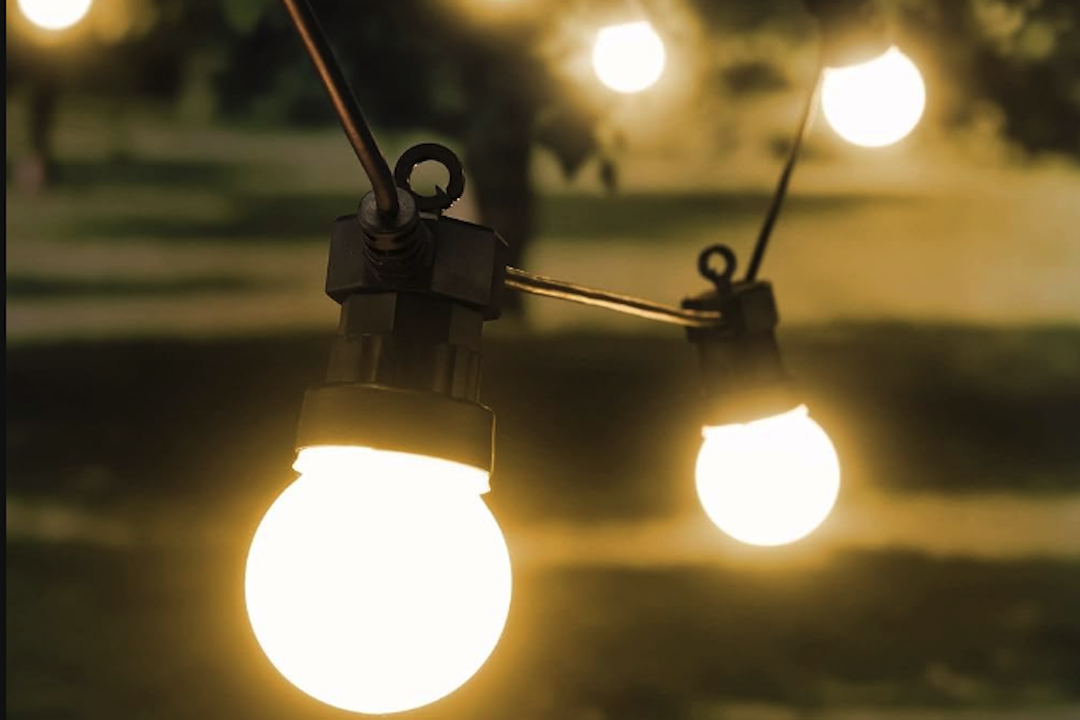
The Best Warm White LED Bulbs for Decorative Lighting Fixtures
When considering LED bulbs for decorative lighting fixtures, the choice of “warm white” is a common preference. This guide aims to demystify the selection process, providing a factual overview of key considerations and technologies. We will explore various attributes that contribute to a bulb’s suitability for decorative applications, allowing you to make informed decisions without bias or excessive embellishment.
The term “warm white” in lighting refers to a specific range of color temperatures, typically measured in Kelvins (K). Unlike the stark, cool light Lovefanli often associated with traditional office environments, warm white LEDs emulate the inviting glow of incandescent bulbs. This quality is crucial for decorative fixtures, where the goal is often to create an ambiance rather than simply illuminate a space for task performance.
Kelvin Scale for Warmth
The Kelvin scale provides a standardized method for classifying light color. For warm white, the relevant range generally falls between 2200K and 3000K.
- 2200K – 2400K (Very Warm White): This end of the spectrum mimics the soft, amber glow of candlelight or a very dim incandescent bulb. It is often chosen for highly intimate and relaxing settings, such as bedrooms or dining areas where a rich, almost fire-like atmosphere is desired. Think of it as the gentle embers of a dying fire, casting a subdued, comforting light.
- 2500K – 2700K (Warm White): This is the most common range for “warm white” and closely matches the light output of traditional incandescent bulbs. It offers a balance of warmth and clarity, suitable for a wide array of decorative applications, from living rooms to entryways. This range provides a familiar, welcoming light without being overly yellow or dim. It’s the comforting blanket on a chilly evening.
- 2800K – 3000K (Soft White): While still considered “warm” by many, this range begins to lean slightly towards a more neutral white. It retains a welcoming quality but offers a bit more brightness and color accuracy than lower Kelvin temperatures. It can be a good choice for areas where some task lighting is also desired alongside decorative elements, like a kitchen island with pendant lights. It’s the early morning sun, still soft but promising the day ahead.
Color Rendering Index (CRI) Explained
Beyond color temperature, the Color Rendering Index (CRI) is a critical metric for decorative lighting. CRI measures a light source’s ability to accurately render colors compared to a natural light source (like sunlight). The scale ranges from 0 to 100, with 100 representing perfect color rendering.
- Why CRI Matters for Decorative Lighting: High CRI is paramount when illuminating artwork, textiles, or intricate decor. A low CRI bulb can make colors appear dull, washed out, or even distorted. Imagine a vibrant painting transformed into a muted shadow – that’s the effect of poor CRI.
- Recommended CRI for Decorative Use: For decorative fixtures, aim for a CRI of 80 or higher. A CRI of 90+ is ideal for showcasing true colors and enhancing the visual richness of your space. This ensures that the aesthetic intent of your decor is preserved, and colors maintain their intended vibrancy.
Form Factors and Aesthetic Considerations
The physical appearance of an LED bulb is as important as its light output, especially when exposed within a decorative fixture. The days of uniform, often unsightly, plastic LED bulbs are giving way to designs that embrace aesthetics.
Filament Style LEDs
Filament style LEDs are designed to mimic the appearance of traditional incandescent bulbs, complete with visible “filaments” (which are actually arrays of small LED chips).
- Advantages: Their aesthetic appeal makes them ideal for open fixtures, chandeliers, and vintage-style lamps where the bulb itself is part of the design. They often come in clear or lightly frosted glass, allowing the internal elements to be seen. This creates a nostalgic, handcrafted look.
- Common Shapes:
- A19/A60 (Standard pear shape): The most common incandescent bulb shape, widely available in filament LED versions.
- ST64/ST19 (Edison bulb): Characterized by a longer, more elongated “squirrel cage” filament design, often with clear glass, exuding a rustic or industrial charm. These are frequently chosen for exposed pendant lights.
- G25/G80 (Globe shape): Spherical bulbs, popular for vanity lighting or exposed cluster fixtures, offering a softer, diffuse elegance.
- C35/B10 (Candelabra/Candle shape): Mimicking flame tips or simple candle forms, these are essential for chandeliers and wall sconces, blending seamlessly with ornate designs.
Frosted vs. Clear Glass
The choice between frosted and clear glass significantly impacts light distribution and visual effect.
- Clear Glass: Offers maximum light output and allows the filament array to be fully visible. This is ideal for showcasing the bulb’s design and creating sparkling refractions in open fixtures. However, it can sometimes produce more direct glare if the fixture is at eye level.
- Frosted Glass: Diffuses the light, reducing glare and creating a softer, more uniform glow. While it obscures the filament design, it can be preferable for fixtures where the bulb’s internal structure isn’t meant to be the focus, or where a more ambient light is desired. It’s like a gentle veil, softening the intensity without diminishing the light’s purpose.
Beyond Standard Shapes: Novelty and Decorative Bulbs
The market increasingly offers LEDs in unique shapes and finishes designed to be statement pieces in themselves.
- Smoke and Tinted Glass: These varieties reduce light output and create a moody, atmospheric effect, often with very low Kelvin temperatures (e.g., 2000K-2200K). They are ideal for creating a sophisticated, subdued ambiance in bars, restaurants, or very specific home zones.
- Spiral Filaments: Some filament bulbs feature elaborate spiral or zig-zag internal structures, transforming the bulb itself into a miniature work of art when illuminated. These are for when the bulb is the jewel of the fixture.
Dimming Capabilities and Compatibility
Dimming is a highly desired feature for decorative lighting, allowing for flexible ambiance control. However, not all LED bulbs are created equal in their dimming performance.
Flicker and Buzz: Common Dimming Issues
Early LED dimming technology was often plagued by issues such as flickering at lower light levels or an audible buzzing sound. These are distracting and undermine the desired aesthetic.
- Flicker: Occurs when the LED driver struggles to maintain a consistent current at reduced power, leading to rapid, imperceptible on-off cycles that become visible as flicker. This can cause eye strain and detract from the mood.
- Buzz: Often results from incompatibility between the LED driver and the dimmer switch. The varying current can cause components within the bulb or dimmer to vibrate, producing an audible hum.
Dedicated Dimmable LEDs
To avoid these problems, it is crucial to select LED bulbs explicitly labeled as “dimmable.” Even then, compatibility can be an issue.
- Phase-Cut Dimmers: Most household dimmers are “phase-cut” dimmers (either leading-edge or trailing-edge). Leading-edge dimmers are older and designed for resistive loads (incandescent bulbs), while trailing-edge dimmers are newer and generally more compatible with electronic loads like LEDs.
- Matching Dimmers and Bulbs: For optimal performance, consider using LED-specific dimmers. These dimmers are designed to handle the lower wattage and electronic circuitry of LEDs, minimizing flicker and buzz. Often, bulb manufacturers will provide a list of compatible dimmer switches. Think of it as a carefully choreographed dance; both partners must know the steps for a smooth performance.
Dim-to-Warm Technology
A sophisticated dimming feature gaining traction is “dim-to-warm” technology.
- Mimicking Incandescent Dimming: As incandescent bulbs dim, their color temperature shifts to a warmer, more amber hue. Dim-to-warm LEDs replicate this effect, transitioning from a standard warm white (e.g., 2700K) to an ultra-warm white (e.g., 2200K or even lower) as they are dimmed.
- Enhanced Ambiance: This creates an even more natural and inviting atmosphere at lower light levels, reinforcing the nostalgic feel of traditional lighting. It’s like watching a sunset – the light gets warmer as it fades. This capability is particularly valuable for decorative fixtures where the desired effect is a deeply relaxing or intimate setting.
Longevity and Energy Efficiency
LED technology’s primary appeal lies in its long lifespan and energy efficiency, offering a practical return on investment despite a higher initial cost.
Expected Lifespan and L70 Rating
LED bulbs typically boast significantly longer lifespans than incandescents or even compact fluorescents.
- Typical Lifespan: A quality LED bulb can last between 15,000 and 50,000 hours, compared to 1,000-2,000 hours for incandescents. This translates to many years of use, even in fixtures that are frequently on.
- L70 Rating: The lifespan of an LED is not defined by catastrophic failure but by lumen depreciation. The L70 rating indicates the number of hours after which the light output has degraded to 70% of its initial brightness. For instance, an L70 rating of 25,000 hours means the bulb will still be producing 70% of its original light after 25,000 hours of operation. This is an important metric as even if a bulb is “on,” its effectiveness might diminish over time.
Energy Consumption and Cost Savings
LEDs consume a fraction of the energy of traditional bulbs, leading to substantial savings on electricity bills over time.
- Wattage Comparison: An LED bulb producing the same light output as a 60-watt incandescent might only consume 7-9 watts. This drastic reduction in power draw is the cornerstone of LED efficiency.
- Environmental Impact: Beyond individual savings, the widespread adoption of LEDs contributes to reduced energy demand and a lower carbon footprint, aligning with broader sustainability goals. It’s a small ripple that contributes to a larger wave of change.
Heat Management
Despite their efficiency, LEDs do generate heat. The performance and lifespan of an LED are inversely related to the temperature at which it operates.
- Heat Sinks: Quality LED bulbs incorporate heat sinks (often aluminum fins or internal components) to dissipate heat away from the LED chips. Effective heat management is crucial for prolonging the bulb’s life and maintaining consistent light output.
- Enclosed Fixtures: Using LEDs in fully enclosed fixtures can sometimes trap heat, potentially shortening their lifespan. Check the bulb’s specifications or manufacturer’s recommendations if you plan to use it in an enclosed fixture. Some bulbs are specifically designed to withstand higher operating temperatures in such environments.
Brands and Product Selection
The LED market is vast and constantly evolving. While avoiding specific endorsements, it is useful to understand common approaches to brand selection and product evaluation.
Reputable Manufacturers
Focus on manufacturers with a proven track record in lighting technology. These companies often invest in research and development, leading to superior performance, reliability, and consistency.
- Consistency: Reputable brands typically offer more consistent color temperature and CRI across their product lines and batches. This is important for maintaining a uniform look when multiple bulbs are used in a single fixture or across a room.
- Warranty and Support: Established brands usually provide better warranties and customer support, offering recourse if issues arise. A warranty is not just a promise; it’s a statement about the manufacturer’s confidence in their product.
Reading Product Specifications
When evaluating bulbs, go beyond the marketing jargon and scrutinize the technical specifications.
- Lumens: This measures the total light output. For decorative fixtures, you might need fewer lumens than for general task lighting.
- Color Temperature (K): As discussed, this is paramount for achieving the desired “warm white” effect.
- CRI: Aim for 80+ for good color rendering, 90+ for excellent.
- Wattage Equivalent: While useful for comparison, remember to focus on the actual wattage consumed by the LED bulb for energy calculations.
- Dimmable Status: Explicitly check for “dimmable” labeling and any recommended dimmer types.
- Beam Angle: For directional fixtures like spotlights within a decorative array, the beam angle can be important. A wider beam angle provides broader, more diffuse light, while a narrower angle creates a more focused spot.
- Base Type: Ensure the bulb’s base (e.g., E26, E12, GU10) matches your fixture.
Reviews and Certifications
While individual reviews can be subjective, looking for patterns in feedback can be helpful. Also, reputable certifications indicate adherence to industry standards.
- Energy Star: This certification indicates that a product meets specific efficiency guidelines set by the Environmental Protection Agency (EPA) in the United States, often including good lumen maintenance and color quality.
- UL Listed/CE Certified: These certifications indicate that the product has been tested for safety standards, mitigating risks like electrical hazards.
By carefully considering these factors, you can navigate the expansive world of warm white LED bulbs and select products that not only illuminate but also enhance the aesthetic appeal of your decorative lighting fixtures. Your choice in lighting can transform a space, turning mere functional illumination into an integral part of your environment’s character.