
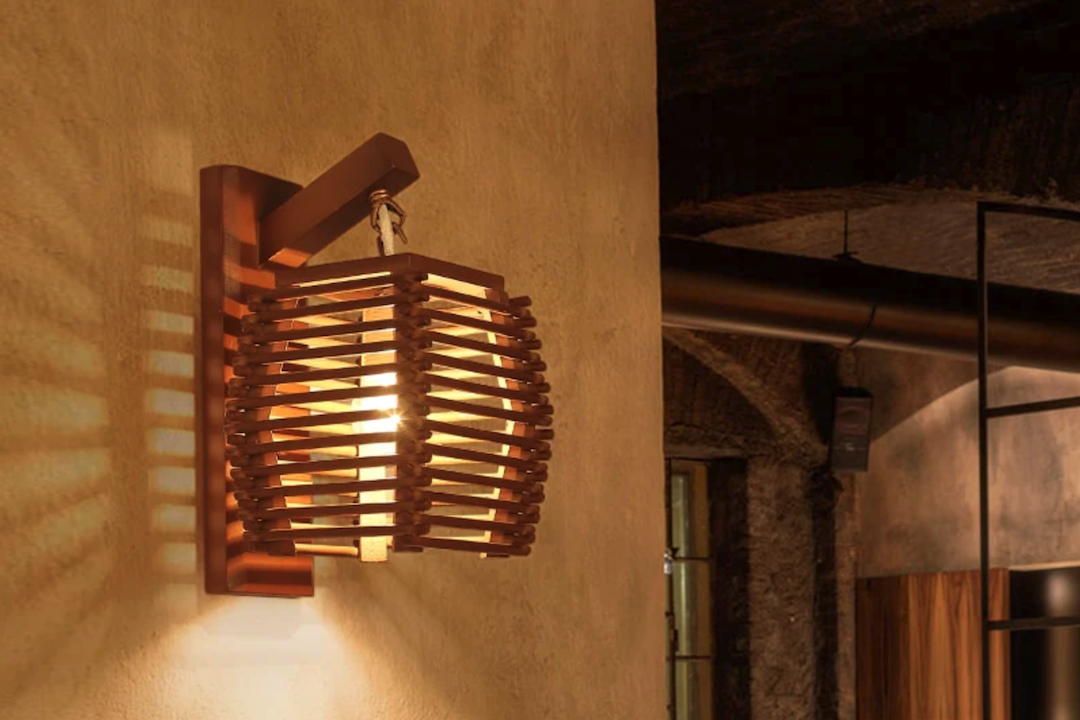
Japanese Wall Lamp: A Stylish Lighting Solution
Japanese wall lamps, known for their unique blend of traditional craftsmanship and modern design, have become increasingly popular in contemporary interior decor. These fixtures are not merely sources of light; they embody a philosophy that emphasizes harmony, simplicity, and the beauty of natural materials. Originating from centuries-old practices, Japanese wall lamps often reflect the aesthetic principles of wabi-sabi, which celebrates imperfection and transience.
This article delves into the various aspects of Japanese wall lamps 88off, exploring their design, functionality, cultural significance, and how they can be seamlessly integrated into various home environments. The allure of Japanese wall lamps lies in their ability to create a serene ambiance while serving practical purposes. They are often crafted from materials such as wood, paper, and metal, which not only enhance their visual appeal but also contribute to the overall atmosphere of a space.
The soft, diffused light emitted by these lamps can transform a room, making it feel more inviting and tranquil. As more people seek to create peaceful retreats within their homes, the demand for these elegant fixtures continues to grow, bridging the gap between traditional artistry and modern living.
The Design and Aesthetics of Japanese Wall Lamps
The design of Japanese wall lamps is deeply rooted in the principles of minimalism and functionality. Many designs feature clean lines and geometric shapes that reflect a sense of order and balance. Traditional Japanese aesthetics often incorporate natural elements, such as bamboo or rice paper, which not only serve as materials but also as symbols of the connection between nature and human life.
For instance, Shoji lamps, made from translucent rice paper framed in wood, allow light to filter through softly, creating a warm glow that enhances the tranquility of a room. In addition to their structural simplicity, Japanese wall lamps often showcase intricate craftsmanship. Artisans may employ techniques passed down through generations, such as joinery that requires no nails or screws, emphasizing the beauty of the materials themselves.
The use of natural finishes allows the wood grain to shine through, adding character and warmth to each piece. Furthermore, many designs incorporate motifs inspired by nature—such as cherry blossoms or waves—infusing the lamps with cultural significance while maintaining an understated elegance.
The Functionality and Practicality of Japanese Wall Lamps
Beyond their aesthetic appeal, Japanese wall lamps are designed with functionality in mind. Many models are adjustable or come with dimming features, allowing users to customize the intensity of light according to their needs. This adaptability makes them suitable for various settings, whether one seeks bright illumination for reading or a softer glow for relaxation.
Additionally, the placement of these lamps can significantly influence the overall lighting scheme of a room. By strategically positioning them on walls, homeowners can create layers of light that enhance depth and dimension. Moreover, Japanese wall lamps are often energy-efficient, particularly those that utilize LED technology.
This not only reduces electricity consumption but also extends the lifespan of the bulbs used. Many designs are also easy to install and maintain, making them practical choices for homeowners who may not have extensive experience with lighting fixtures. The combination of aesthetic beauty and practical functionality makes Japanese wall lamps an appealing option for those looking to enhance their living spaces.
How to Incorporate Japanese Wall Lamps into Your Home Decor
Incorporating Japanese wall lamps into home decor can be a transformative experience that elevates the overall aesthetic of a space. One effective approach is to consider the existing color palette and style of the room. For instance, in a minimalist setting characterized by neutral tones and clean lines, a simple Shoji lamp can serve as a focal point without overwhelming the space.
Conversely, in a more eclectic environment filled with vibrant colors and textures, a lamp featuring intricate designs can add an element of sophistication while harmonizing with other decor elements. Another way to integrate these lamps is by using them to define specific areas within an open-concept layout. Placing wall lamps strategically can help delineate spaces for different activities—such as reading nooks or dining areas—while maintaining an overall cohesive look.
Additionally, layering lighting is essential; combining wall lamps with other light sources like floor lamps or pendant lights can create a dynamic atmosphere that adapts to various moods and occasions.
The Versatility of Japanese Wall Lamps in Different Spaces
Japanese wall lamps are remarkably versatile and can enhance various spaces within a home. In living rooms, they can provide ambient lighting that complements other fixtures while adding an artistic touch to the decor. For example, a pair of wall-mounted lanterns flanking a piece of artwork can draw attention to the art while creating a warm glow that invites relaxation.
In bedrooms, these lamps can serve as bedside lighting solutions that offer both functionality and style. A softly illuminated wall lamp can create a calming environment conducive to rest while providing enough light for nighttime reading. In hallways or entryways, Japanese wall lamps can illuminate pathways while adding character to otherwise overlooked spaces.
Their ability to blend seamlessly into different design schemes makes them suitable for both traditional and contemporary homes.
The Cultural Significance of Japanese Wall Lamps
Japanese wall lamps carry profound cultural significance that extends beyond their functional role in lighting. They often embody traditional values such as simplicity, respect for nature, and mindfulness—principles deeply ingrained in Japanese culture. The craftsmanship involved in creating these lamps reflects a dedication to quality and artistry that has been honed over centuries.
Each lamp tells a story, whether through its design elements or the materials used, connecting modern users with Japan’s rich heritage. Furthermore, these lamps often serve as symbols of hospitality and warmth in Japanese culture. The soft light they emit creates an inviting atmosphere that encourages social interaction and connection among family members and guests alike.
In traditional Japanese homes, lighting plays a crucial role in setting the mood for gatherings and celebrations, reinforcing the importance of community and togetherness.
Choosing the Right Japanese Wall Lamp for Your Space
Selecting the right Japanese wall lamp involves considering several factors that align with both personal taste and practical needs. First and foremost is the size of the lamp in relation to the space it will occupy. A large statement piece may overwhelm a small room but could serve as an eye-catching focal point in a larger area.
Conversely, smaller lamps can be grouped together for visual interest without dominating the space. Another important consideration is the style of the lamp itself. With various designs available—from traditional lanterns to modern interpretations—homeowners should choose a lamp that complements their existing decor while reflecting their personal aesthetic.
Additionally, it’s essential to think about functionality; determining whether adjustable brightness or specific mounting options are necessary can help narrow down choices effectively.
Maintenance and Care Tips for Japanese Wall Lamps
Maintaining Japanese wall lamps is relatively straightforward but requires attention to detail to preserve their beauty over time. Regular dusting is essential to prevent dirt buildup on surfaces; using a soft cloth or feather duster can help maintain their appearance without scratching delicate materials like rice paper or wood finishes. For lamps made from natural materials, it’s advisable to avoid harsh cleaning agents that could damage the finish or alter the color.
In addition to routine cleaning, homeowners should periodically check electrical components for wear or damage. Ensuring that bulbs are replaced promptly when burned out will help maintain optimal lighting conditions while preventing potential hazards associated with faulty wiring. For those with paper-based designs, it’s crucial to handle them gently; avoiding excessive moisture or direct sunlight will help prevent deterioration over time.
By understanding these aspects of Japanese wall lamps—from their design principles to their cultural significance—homeowners can make informed choices that enhance their living spaces while celebrating this beautiful aspect of Japanese artistry.