
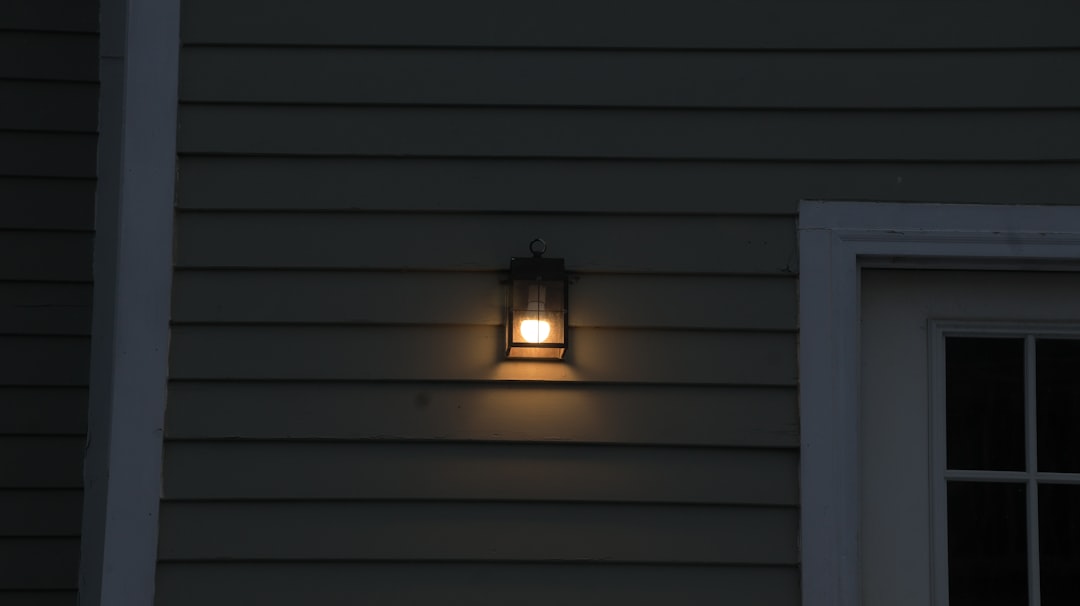
Maximize Outdoor Lighting Efficiency with Dusk to Dawn Wall Lights
Dusk to dawn wall lights offer a straightforward way to improve your outdoor lighting’s efficiency. They automatically switch on when it gets dark and off when the sun rises, ensuring your lights are only operating when needed. This simple automation translates directly into less wasted electricity and lower energy bills, without you having to lift a finger.
At its core, dusk to dawn functionality relies on a photoresistor, often called a photocell or light sensor. This small component detects ambient light levels.
How Photocells Work
When the photocell senses a drop in natural light below a specific threshold – indicating dusk – it completes an electrical circuit, turning on the light Buyance. Conversely, once sufficient natural light returns in the morning, the photocell circuit breaks, switching the light off. It is a simple yet effective mechanism.
Types of Photocell Integration
Photocells can be integrated into the light fixture itself, which is common for many all-in-one dusk to dawn wall lights. Separate photocell modules can also be wired into existing lighting setups, converting standard lights into automated ones. This offers flexibility if you already have fixtures you like.
Advantages Over Traditional Switches
Compared to manual switches or timers, photocells provide a hands-off approach. Timers need reprogramming for seasonal light changes, daylight saving, or power outages. Photocells adapt automatically to these shifts, maintaining optimal lighting without intervention.
Energy Savings and Environmental Impact
The primary benefit of dusk to dawn lighting is its ability to conserve energy by preventing lights from staying on unnecessarily.
Reducing Electricity Consumption
By ensuring lights are only active during actual dark hours, the operational time is significantly reduced. This direct reduction in “on” time translates to a proportional decrease in electricity consumption. For instance, a light that previously stayed on for 12 hours because someone forgot to turn it off might now only illuminate for 8 efficient hours.
Lower Utility Bills
Less energy consumption directly leads to lower monthly utility bills. Over time, these savings can offset the initial cost of the fixtures, making them a sound financial investment, especially for multiple outdoor lights.
Minimizing Light Pollution
Using lights only when necessary also helps in reducing light pollution. Unnecessary nighttime illumination can disrupt natural ecosystems and obscure views of the night sky. Automated lighting ensures illumination is purposeful.
Carbon Footprint Reduction
By consuming less electricity, you indirectly contribute to a smaller carbon footprint. Power generation often involves burning fossil fuels, and reducing demand lessens the environmental impact associated with energy production.
Enhanced Security and Safety
Beyond energy efficiency, dusk to dawn wall lights play a crucial role in improving the security and safety of your property.
Deterring Intruders
A consistently well-lit outdoor area is a deterrent for potential intruders. Burglars prefer to operate under the cover of darkness. The constant presence of light can make a property appear occupied and less appealing as a target.
Preventing Accidents
Illuminated pathways, steps, and entryways significantly reduce the risk of trips, falls, and other accidents after dark. This is particularly important for residents, visitors, and delivery personnel navigating your property at night.
Consistent Illumination
Unlike motion-activated lights that only switch on when movement is detected (which can be too late for some safety concerns), dusk to dawn lights provide continuous illumination throughout the night. This constant light is beneficial for general navigation and peace of mind.
Integration with Security Systems
While standalone, dusk to dawn lights can also complement existing security systems. They provide baseline ambient light that improves the clarity of security camera footage and can make motion sensor lights more effective by reducing stark contrast.
Installation and Maintenance Considerations
Installing dusk to dawn wall lights is generally straightforward, but there are a few important points to keep in mind.
Choosing the Right Location
The efficiency of the photocell depends heavily on its placement. It needs to be positioned where it can accurately detect ambient light levels – avoiding direct artificial light sources (like other bright lights) that might fool it into thinking it’s daylight, and also steering clear of areas that remain perpetually shaded.
Wiring Requirements
Most wall lights connect to your home’s existing electrical wiring. If you’re replacing an old fixture, the wiring is usually already there. If you’re adding new lights, you might need to run new wiring, which might involve a qualified electrician for safety and code compliance.
Photocell Orientation
Some photocells are directional. It’s important to orient them correctly to avoid false readings. The sensor should typically face outwards, away from the wall, and not be obstructed by overhangs or decorative elements.
Cleaning and Inspection
Over time, dust, dirt, spiderwebs, or even overgrown foliage can accumulate on the photocell, hindering its ability to accurately detect light. A quick wipe-down during routine outdoor maintenance can prevent these issues. Periodically inspecting the light for any visible damage or loose connections is also a good practice.
Bulb Replacement (If Applicable)
While many modern dusk to dawn lights come with integrated LED arrays, some still use replaceable bulbs. If yours does, check the type of bulb it uses (LED, incandescent, CFL) and opt for energy-efficient replacements when needed. LEDs are often the best choice for longevity and low energy use.
Smart Features and Advanced Options
The world of outdoor lighting is increasingly incorporating smart technology, extending the functionality of basic dusk to dawn lights.
Smart Home Integration
Many contemporary dusk to dawn lights can be integrated into smart home ecosystems (like Google Home, Amazon Alexa, Apple HomeKit). This allows for greater control and customization beyond simple on/off based on light levels.
App Control and Scheduling
With smart integration, you can often control your lights via a smartphone app. This enables you to override the photocell if needed, create custom schedules (e.g., dimming at certain hours, or turning off completely later in the night), or adjust brightness levels.
Motion Sensor Integration
Some advanced dusk to dawn fixtures combine the photocell with a motion sensor. They operate as standard dusk to dawn lights, providing ambient illumination, but will brighten to full intensity when motion is detected, offering an additional layer of security and convenience. This hybrid approach optimizes both continuous lighting and reactive brightness.
Adjustable Sensitivity
Certain higher-end dusk to dawn lights offer adjustable photocell sensitivity. This allows you to fine-tune the ambient light threshold at which the light switches on or off, tailoring it to your specific environmental conditions and preferences.
Dimmable Options
Dimmable dusk to dawn lights provide flexibility in lighting levels. You can set them to operate at a lower brightness for general ambiance and only increase intensity when required, further enhancing energy efficiency and light pollution control. This can be particularly useful for areas where constant full brightness might be too much.
Adopting dusk to dawn wall lights is a practical step toward a more efficient, secure, and environmentally conscious outdoor lighting strategy. It is not about simply having lights; it is about having intelligent lighting that works for you, automatically adapting to the changing conditions of day and night.