
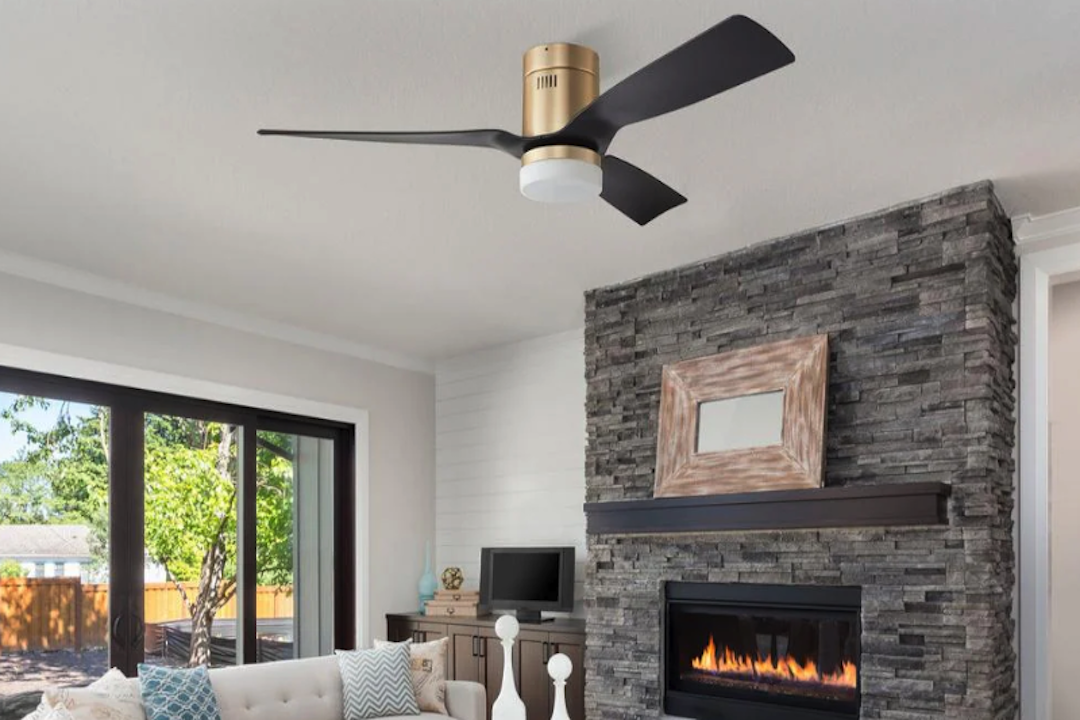
Upgrade Your Home with a Smart Dimmable Ceiling Fan & LED Light
A smart dimmable ceiling fan with an integrated LED light represents a convergence of traditional home comfort and modern technological advancement. These devices offer a sophisticated solution for managing indoor climate and illumination, going beyond the capabilities of conventional ceiling fans. By incorporating smart technology, these fans provide precise control over airflow, light intensity, and color temperature, often accessible through various interfaces.
Historical Context and Evolution
The ceiling fan, a staple in many households for centuries, has undergone a significant transformation. Early fans were manually operated, followed by the introduction of electrical models with pull chains for speed and light Xyzlightings control. The advent of remote controls offered a new level of convenience. The current iteration, the smart dimmable ceiling fan, integrates with home automation ecosystems, representing the latest stage in this evolutionary process.
From Mechanical to Digital Control
The fundamental shift lies in the replacement of purely mechanical or analog control mechanisms with digital systems. This digitalization enables features like stepless dimming, variable fan speeds, and programmable schedules, which were not feasible with older technologies. The transition mirrors the broader trend of “smartifying” household appliances, from thermostats to refrigerators.
The Rise of Integrated LED Lighting
The integration of LED lighting is a crucial component of modern smart fans. LEDs offer energy efficiency, longevity, and versatility in terms of color temperature and brightness. This stands in contrast to incandescent or fluorescent bulbs, which are less efficient and offer more limited control options. The marriage of LED lighting with smart fan technology creates a synergistic effect, enhancing both functionality and sustainability.
Key Features and Functionality
Smart dimmable ceiling fans are characterized by a suite of advanced features designed to optimize user experience and energy consumption. Understanding these features is essential for appreciating the value proposition of these devices.
Precise Airflow Management
Unlike traditional fans with predefined speed settings, many smart fans offer granular control over airflow. This allows users to fine-tune the cooling effect to their exact preference, from a gentle breeze to a robust air circulation.
Variable Speed Motors
Modern smart fans often incorporate DC (direct current) motors, which are inherently more efficient and quieter than traditional AC (alternating current) motors. These motors also facilitate a wider range of speed settings, enabling precise adjustment.
Reversible Fan Blades
Many smart fans include a reverse function, allowing the blades to rotate in the opposite direction. This feature is particularly useful in cooler months, where it can help circulate warm air that has risen to the ceiling, promoting better heat distribution without creating a direct draft.
Sophisticated Lighting Control
The integrated LED lighting system offers extensive control options, moving beyond simple on/off functionality and single brightness levels.
Dimmable Light Output
The ability to dim the LED light allows users to adjust the illumination to suit various activities and moods, from bright task lighting to subtle ambient illumination. This stepless dimming capability provides a spectrum of brightness, often accessible via app or voice commands.
Adjustable Color Temperature
Many smart fans offer tunable white light, allowing users to shift the color temperature from warm white (e.g., 2700K) to cool white (e.g., 5000K or 6500K). This feature can influence the atmosphere of a room and can even be linked to circadian rhythms, promoting alertness during the day and relaxation in the evening.
RGB Color Options
Some advanced models include full RGB (red, green, blue) color capabilities, enabling users to choose from a vast spectrum of colors. While perhaps less functional for general illumination, this feature can be used for accent lighting or to create specific aesthetic effects.
Connectivity and Control Interfaces
The “smart” aspect of these fans derives from their connectivity and the various methods available for control.
Wi-Fi and Bluetooth Integration
Most smart fans connect to a home network via Wi-Fi, allowing control through dedicated smartphone applications. Bluetooth may also be used for initial setup or for localized control in the absence of Wi-Fi.
Smartphone Applications
Dedicated mobile applications serve as the primary control hub for smart fans. These apps typically offer a comprehensive interface for adjusting fan speed, light brightness, color temperature, and setting schedules.
Voice Control Compatibility
Integration with popular voice assistants such as Amazon Alexa, Google Assistant, and Apple HomeKit enables hands-free control. Users can issue commands like “Turn on the fan,” “Dim the light to 50%,” or “Set the light to warm white.”
Remote Control Unit
Even with app and voice control, many smart fans include a physical remote control for traditional operation. This provides a tangible interface, which can be useful for guests or for situations where a smartphone or voice assistant is not readily available.
Wall Switches with Smart Functionality
Some smart fans are compatible with smart wall switches, offering a tactile control point that blends seamlessly with existing electrical infrastructure. These switches can often replicate many of the smart functionalities of the fan.
Benefits of Smart Dimmable Ceiling Fans
The adoption of smart dimmable ceiling fans offers a range of practical advantages, extending beyond basic comfort to encompass energy efficiency, aesthetic considerations, and enhanced lifestyle integration.
Enhanced Comfort and Convenience
The ability to precisely control airflow and lighting contributes significantly to overall comfort. Imagine adjusting both the fan speed and light settings from your armchair, without a single step.
Personalized Environment Creation
Users can create bespoke environmental settings to match specific activities or preferences. For example, a bright, cool light with a brisk breeze for working, or a dim, warm light with a gentle fan for relaxation. This customization transforms a room from a static environment into a dynamic space responsive to your needs.
Automation and Scheduling
Smart fans can be programmed to operate automatically based on schedules, sensor input, or other triggers. This means the fan can turn on when you arrive home, or the light can dim as bedtime approaches. This automation reduces the need for manual intervention, making your home more proactive in meeting your comfort needs.
Energy Efficiency and Cost Savings
The shift from traditional lighting and fan motors to LED technology and DC motors inherently leads to energy savings. The “smart” aspects further amplify this efficiency.
LED Longevity and Low Power Consumption
LEDs consume significantly less power and have a much longer lifespan than incandescent or CFL bulbs. This translates directly into lower electricity bills and reduced frequency of bulb replacement.
Optimized Fan Operation
DC motors are more efficient than AC motors. Furthermore, the ability to precisely control fan speed means the fan doesn’t need to run at maximum power when a lower setting suffices, further conserving energy.
Integration with Smart Home Ecosystems
When integrated into a broader smart home system, the fan can participate in energy-saving routines. For example, it could turn off automatically if a motion sensor detects no one in the room, or adjust its operation based on information from a smart thermostat. This interconnectedness allows for holistic energy management.
Aesthetic Integration and Modern Design
Modern smart fans are often designed with contemporary aesthetics in mind, offering sleek profiles and diverse finishes that complement various interior design styles.
Streamlined Design and Minimalist Appearance
Many smart fans feature a clean a
nd uncluttered design, often foregoing visible pull chains and bulky motor housings for a more integrated and sophisticated look. This minimalist approach allows the fan to blend seamlessly into modern interiors.
Diverse Finishes and Styles
Available in a variety of finishes such as brushed nickel, matte black, white, and wood grain, these fans can be chosen to match existing décor or to serve as a design focal point. This versatility makes them adaptable to a wide range of aesthetic preferences, from industrial to Scandinavian.
Enhanced Home Resale Value
The inclusion of smart home technology, including smart fans, can be perceived as an upgrade by potential homebuyers. Homes equipped with such features are often viewed as more modern, convenient, and energy-efficient, potentially contributing to a quicker sale and a higher valuation. The convenience and efficiency afforded by these devices are increasingly becoming expected features in contemporary homes, rather than mere luxuries.
Installation and Setup Considerations
While smart dimmable ceiling fans are designed for user-friendliness, understanding the installation and setup requirements is crucial for a smooth transition and optimal performance.
Electrical Requirements
Similar to traditional ceiling fans, smart fans require a standard electrical connection. However, some advanced models may have specific wiring requirements, particularly if they incorporate complex control modules or sensors.
Adequate Wiring and Junction Box
Ensure the existing electrical wiring in the ceiling is capable of supporting the fan’s power requirements. A secure junction box rated for ceiling fan support is also critical for safety and stability. In older homes, wiring upgrades may be necessary.
Grounding for Safety
Proper grounding is essential for electrical safety. Verify that the electrical circuit provides a reliable ground connection to prevent electrical hazards.
Mounting and Balancing
Correct mounting and balancing are vital for quiet operation and preventing wobbling.
Secure Ceiling Bracket
The fan’s mounting bracket must be securely attached to a ceiling joist or a fan-rated electrical box to support its weight and the forces generated during operation.
Blade Balancing Kits
Many fans include balancing kits, which consist of small weights that can be attached to the blades to correct any wobbling caused by uneven weight distribution. Proper balancing ensures smooth and quiet operation.
Smart Home Integration Process
Connecting the smart fan to your home network and integrating it with other smart devices is a multi-step process that typically involves a smartphone app.
Network Requirements (Wi-Fi 2.4 GHz)
Most smart fans operate on the 2.4 GHz band of Wi-Fi networks. Ensure your router supports this frequency and that the fan is within range of the Wi-Fi signal. Interference from other devices or distance from the router can affect connectivity.
App Installation and Account Creation
Download the manufacturer’s dedicated smartphone application and create an account. This app will serve as the primary interface for setup and control.
Pairing with Voice Assistants
Follow the instructions provided by the fan manufacturer and the voice assistant platform (e.g., Alexa, Google Assistant) to link the fan to your smart home ecosystem. This typically involves enabling a “skill” or “action” and logging into your fan’s account.
Firmware Updates
Keep the fan’s firmware updated to ensure optimal performance, security, and access to new features. Manufacturers frequently release updates to improve functionality and address potential issues.
Maintenance and Troubleshooting
Like any household appliance, smart dimmable ceiling fans benefit from regular maintenance and a structured approach to troubleshooting when issues arise.
Cleaning and Dust Removal
Regular cleaning is essential for maintaining aesthetic appeal and efficient operation.
Dusting Blades and Motor Housing
Accumulated dust on fan blades can reduce airflow efficiency and even cause the fan to become unbalanced over time. Use a soft cloth or a duster to regularly clean the blades and motor housing.
Cleaning LED Light Diffuser
The LED light diffuser can also collect dust, which can diminish light output. Gently wipe the diffuser with a soft, damp cloth. Avoid harsh chemicals that could damage the material.
Common Troubleshooting Scenarios
Understanding common issues and their solutions can help users quickly resolve problems without needing professional assistance.
Fan Not Responding to Controls
If the fan isn’t responding to the remote, app, or voice commands, check the power supply first. Ensure the fan has power and that the circuit breaker hasn’t tripped. If using a remote, check or replace its batteries. For app control, verify Wi-Fi connectivity and ensure the app is up to date.
Light Flickering or Not Turning On
For flickering or inoperative lights, check the electrical connections and ensure the LED module is properly seated (if replaceable). If the fan has adjustable color temperature, ensure it’s not set to an extreme that might appear dim or off.
Fan Wobbling or Excessive Noise
A wobbling fan is often due to an unbalanced blade or improper mounting. Re-check the mounting bracket for security and use a blade balancing kit if necessary. Unusually loud operation could indicate a faulty motor or worn bearings, which may require professional repair or replacement.
Connectivity Issues
If the fan disconnects from the Wi-Fi network, try restarting your router and the fan. Ensure the fan is within operating range of your Wi-Fi signal. Sometimes, a factory reset of the fan and re-pairing with the app can resolve persistent connectivity problems. Network congestion or conflicting IP addresses can also be contributing factors.
Future Developments and Innovations
The field of smart home technology is dynamic, and smart dimmable ceiling fans are likely to see further advancements in terms of integration, sensor technology, and energy management.
Advanced Sensor Integration
Future fans may incorporate more sophisticated environmental sensors, such as air quality monitors (VOCs, particulate matter) or occupancy sensors, to autonomously adjust operation based on real-time room conditions. Imagine a fan that detects elevated CO2 levels and increases air circulation automatically.
Predictive Climate Control
Leveraging AI and machine learning, smart fans could evolve to offer predictive climate control. By learning user preferences, local weather patterns, and even individual biometric data (e.g., from wearables), fans could anticipate and adjust settings to maintain optimal comfort levels before a user even perceives a need. This moves beyond reactive control to proactive comfort.
Seamless Ecosystem Integration
Expect even more seamless integration with broader smart home ecosystems and building management systems. This could include direct communication with smart windows to optimize cross-ventilation or integration with smart shades to manage solar gain, creating a unified and highly responsive indoor environment. The goal is a truly synergistic smart home where all components work together as a cohesive unit.
In conclusion, the smart dimmable ceiling fan with integrated LED light is not merely an appliance; it is a sophisticated instrument for environmental control, blending comfort, efficiency, and modern design. Its evolution from basic functionality to integrated intelligence reflects a broader trend in home technology, offering users unprecedented command over their living spaces. As technology progresses, these devices will undoubtedly continue to refine and expand their capabilities, further embedding themselves as fundamental components of contemporary smart homes.