
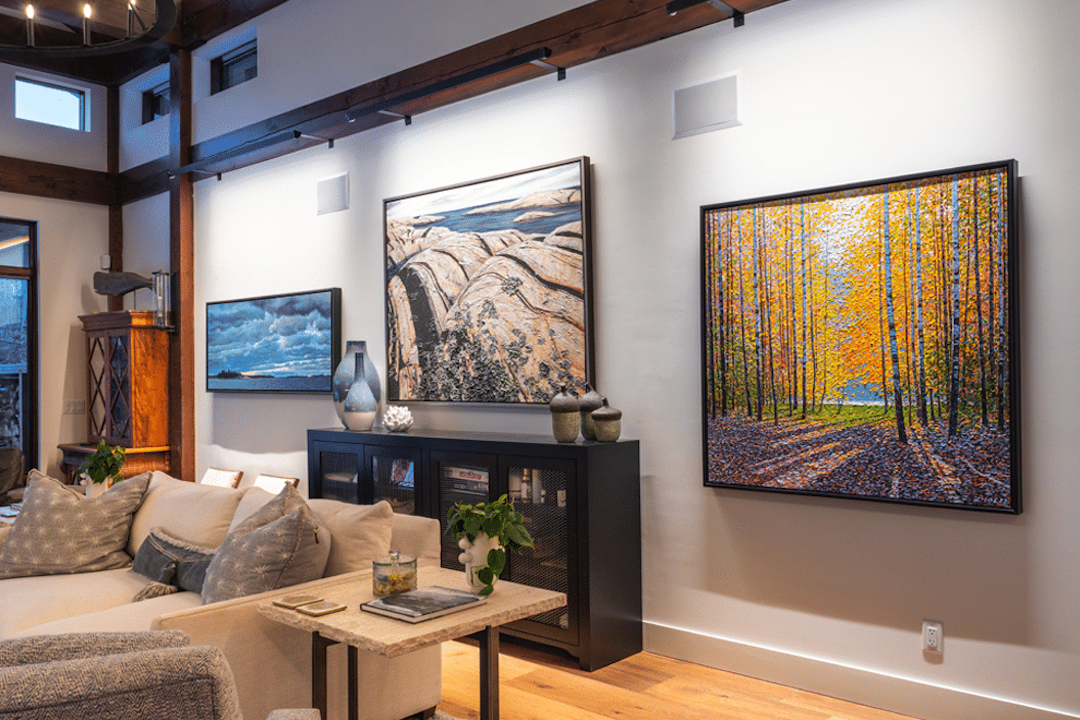
Efficient LED Wall Washer for Accent Lighting
Thinking about using LED wall washers for accent lighting? You’re in the right place. They’re a fantastic tool for highlighting architectural features, artwork, or creating a specific mood in a space. The good news is that most LED wall washers are pretty efficient these days. The real trick to getting the most out of them, and making sure they’re genuinely efficient for your needs, comes down to a few key decisions you make during setup and selection.
So, what exactly is an LED wall washer, and why are they good for accent lighting? At their core, they’re designed to cast a broad, even wash of light onto a vertical surface. Unlike spotlights that pinpoint a single area, wall washers spread their light Slylamps out, making them ideal for making a wall more visually interesting.
How They Work: The Light Distribution
The magic of a wall washer lies in its lens and reflector design. Instead of a focused beam, they use specialized optics to spread the light out. Think of it like a fan or a very wide floodlight, but specifically engineered to go up or down a wall without creating harsh bright spots or dark shadows right next to each other. This even distribution is crucial for achieving a pleasing accent effect.
Why LED is the Way to Go
When we talk about efficient wall washers, we’re almost always talking about LEDs. This is because LEDs are inherently much more energy-efficient than older lighting technologies like halogen or incandescent. They produce less heat, last for a very long time, and use significantly less electricity to produce the same amount of light. This means lower energy bills and less frequent replacements over time, which is a win-win.
Factors Influencing Efficiency
When you’re looking at LED wall washers, “efficiency” isn’t just a single number. It’s a combination of how much light you get for the energy consumed, how well that light is directed, and how long the fixture lasts.
Lumens Per Watt (lm/W)
This is the most common metric for measuring LED efficiency. It tells you how many lumens (the unit of visible light) a light source produces for every watt of power it consumes. A higher lm/W rating means the LED is more efficient. For accent lighting, you’ll want to find fixtures with a good lm/W rating, but don’t let it be the only factor. A super-efficient light that floods the wrong area isn’t going to be effective.
What’s a Good lm/W?
Generally, for modern LED fixtures, you’re looking at offerings in the range of 90-150 lm/W or even higher for top-tier products. Anything significantly below 80 lm/W might indicate older technology or a less optimized design. However, remember that the optics of the fixture play a huge role in how usable that light is.
Beam Angle and Distribution Patterns
This is where efficiency gets practical. A wall washer with a very narrow beam angle might be efficient in terms of lm/W, but it will create a concentrated hot spot on the wall, failing at its job of washing. Conversely, a beam angle that’s too wide might spill light onto the ceiling or floor unnecessarily, wasting light that isn’t contributing to the accent.
Asymmetrical vs. Symmetrical Beams
Many wall washers use asymmetrical beam patterns, meaning the light is directed more intensely downwards or upwards, hugging the wall. This is generally more efficient for the intended application than a symmetrical beam, which would spread light more evenly in all directions.
Heat Management and Lifespan
Efficient LEDs also means LEDs that don’t overheat. Overheating can degrade the LED chips over time, reducing their brightness and lifespan. Good thermal management – usually via a well-designed heatsink – is crucial for maintaining efficiency and longevity.
The Importance of Heatsinks
Don’t underestimate the heatsink. A chunkier, more substantial heatsink usually means better heat dissipation. This keeps the LEDs cooler, allowing them to operate at their optimal efficiency for longer.
Choosing the Right Wall Washer for Your Space
Beyond the technical specs, the “efficiency” of a wall washer is also about how well it suits your specific application. This involves understanding the dimensions of the wall you want to light and the effect you’re aiming for.
Wall Height and Distance
This is fundamental. A wall washer designed for a 10-foot wall will likely not perform optimally on a 20-foot wall, even if it’s technically “efficient.”
How to Calculate Reach
Manufacturers often provide data on the “throw distance” or “coverage height” for their wall washers. Essentially, they’ll tell you how high the light will wash effectively from a certain distance. If you have a tall wall, you’ll need a fixture with a longer reach or you’ll need to mount it closer to the wall and potentially use more fixtures side-by-side.
Example: Low Ceilings vs. High Ceilings
For rooms with lower ceilings, a shallower wash might be fine. For grander spaces with soaring walls, you’ll need fixtures that can project light further up the wall without getting too dim at the top.
Desired Lighting Effect
Are you looking for a subtle glow or a dramatic statement? The type of wall washer and its placement will determine this.
Uniform Wash vs. Gradient Effect
Some fixtures create an almost perfectly uniform wash, while others naturally produce a slight gradient, with the brightest part closer to the fixture and fading slightly towards the top or bottom. For certain applications, like highlighting delicate artwork, a more subtle gradient might be preferred, and the fixture’s design will contribute to this.
Color Temperature and CRI
While not directly related to energy efficiency, the color temperature (e.g., warm white, cool white) and Color Rendering Index (CRI) are crucial for the visual efficiency of your accent lighting. A high CRI (90+) ensures colors are rendered accurately, making your accent truly pop.
Interior vs. Exterior Applications
Exterior wall washers need to be more robust and possess a higher Ingress Protection (IP) rating to withstand moisture, dust, and other environmental factors. While the LED efficiency might be similar, the housing and sealing add to the overall cost and can sometimes slightly impact lumen output due to the added lenses for protection.
Weatherproofing Matters
If you’re lighting an outdoor facade, ensure the fixture is rated for outdoor use. This means seals, coatings, and construction materials that can handle the elements. This type of protection is built into the design and doesn’t detract from the LED’s efficiency itself, but it’s essential for long-term performance.
Optimizing Placement for Maximum Impact and Efficiency
Once you’ve chosen your wall washers, where you put them is just as critical as the fixture itself. Smart placement maximizes the visual impact while avoiding light wastage.
Distance from the Wall
This is a major dial you can turn. Placing a wall washer too far from the wall will spread the light too thinly, losing intensity and creating a weak effect. Placing it too close can lead to a bright hot spot at the base and a less consistent wash.
The “Sweet Spot”
Manufacturers often recommend a distance based on the fixture’s beam angle and desired coverage. A common starting point is to place it about 1-3 feet away from the wall, but this can vary significantly. Experimentation is key here.
Mounting Options: Ceiling vs. Floor
Wall washers can be mounted on the ceiling or the floor. Ceiling mounting generally provides a more even downward wash, especially for taller walls, as you can spread them out more effectively. Floor mounting can create a dramatic upward effect or a more contained wash.
Spacing Between Fixtures
If you need to cover a wide wall, you’ll likely use multiple fixtures. Their spacing will dictate the uniformity of the wash.
Overlap for Smoothness
To achieve a seamless, uniform wash across a large area, you’ll want the beams of adjacent fixtures to overlap slightly. This prevents dark lines or noticeable gaps between them.
Using the Beam Angle as a Guide
The beam angle of your fixture can help you estimate spacing. If a fixture has a 60-degree beam angle, you can start by spacing them approximately that distance apart as a rough guide, then adjust based on visual inspection.
Considering Obstructions
Don’t forget about things like artwork, furniture, or architectural details that might cast shadows or interfere with the light.
Planning Around Features
If you’re highlighting a specific piece of art, position the wall washer so that its light directly illuminates the artwork without casting unwanted shadows from frames or frames themselves.
Advanced LED Wall Washer Technology and Features
The world of LED lighting is always evolving. Here are some of the more advanced features that contribute to efficiency and versatility.
Tunable White and Color Changing (RGBW)
While primarily for mood-setting, tunable white and RGBW wall washers offer incredible flexibility. They allow you to adjust the color temperature or even the entire color spectrum.
Energy Use with Color Options
It’s important to note that while RGBW fixtures are highly versatile, they may not be as energy-efficient in terms of raw lumen output per watt when operating on certain colors compared to pure white LEDs. However, their ability to adapt means you’re not running less efficient fixtures for specific moods.
Smart Control and Dimming
Integrated smart controls or compatibility with dimming systems offer granular control over light output.
Dimming for Energy Savings
Dimming a wall washer, even slightly, can significantly reduce energy consumption. This is particularly useful in spaces that don’t require full brightness at all times or for mood adjustments. Smart controls can also allow for scheduled dimming, further optimizing energy use.
Integrated Drivers vs. External Drivers
The driver is the component that converts AC power to the DC power LEDs need.
Efficiency in Driver Design
The efficiency of the driver itself matters. More efficient drivers lose less energy as heat. Some wall washers have drivers integrated into the fixture, while others have external power supplies. Both can be efficient, but it’s worth checking the driver’s specifications if you’re very concerned about every last watt.
Long-Term Investment: Durability and Maintenance
The true efficiency of a wall washer isn’t just about its initial energy consumption; it’s also about its lifespan and the cost of ownership over time.
Build Quality and Materials
A well-built wall washer, made with durable materials like die-cast aluminum for its heatsink and robust housing, will stand the test of time.
Weather Resistance Coatings
For outdoor applications, specialized coatings that protect against UV radiation and corrosion are essential for longevity.
Ease of Maintenance and Replacement
While LEDs have long lifespans, sometimes a fixture might fail, or you might want to upgrade.
Modular Designs
Some higher-end fixtures feature modular designs where individual components like the LED module or the driver can be replaced, rather than the entire unit. This can be a more sustainable and cost-effective approach in the long run.
Understanding Warranties
A good warranty is a sign of a manufacturer’s confidence in their product’s durability and performance.
What to Look For in a Warranty
Pay attention to the duration of the warranty and what it covers. A longer warranty on both the fixture and the LED chips indicates a more robust and reliable product, contributing to its overall long-term efficiency and value.
By considering these points – from the basic lm/W to the nuances of placement and advanced features – you can choose and implement LED wall washers that are not just visually effective but also genuinely energy-efficient for your accent lighting needs.